Top moles Providers in Borehamwood
Best Moles Clinics in Borehamwood
Top Treatments in Borehamwood
Top Cities in the UK
Moles Treatment in Borehamwood
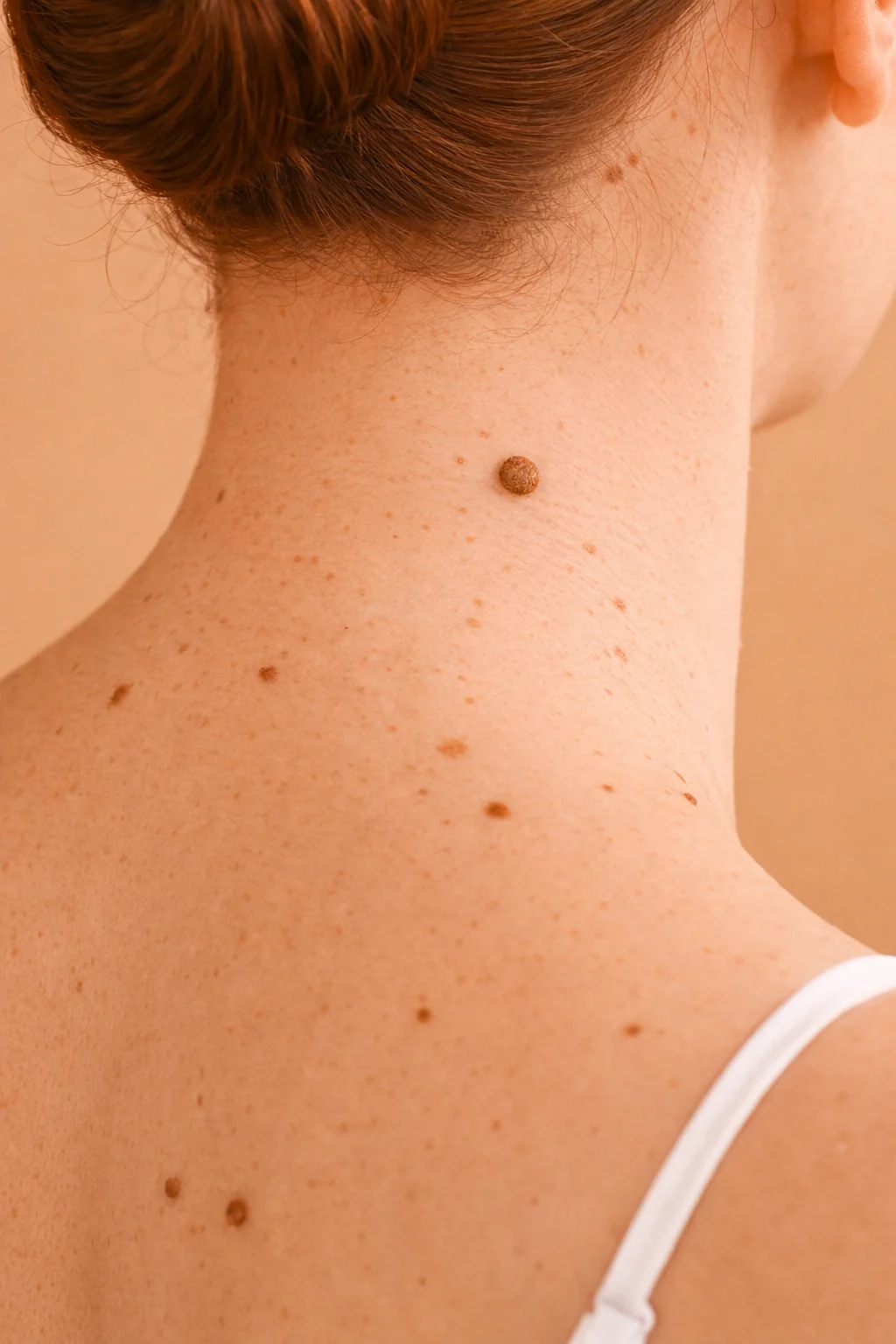
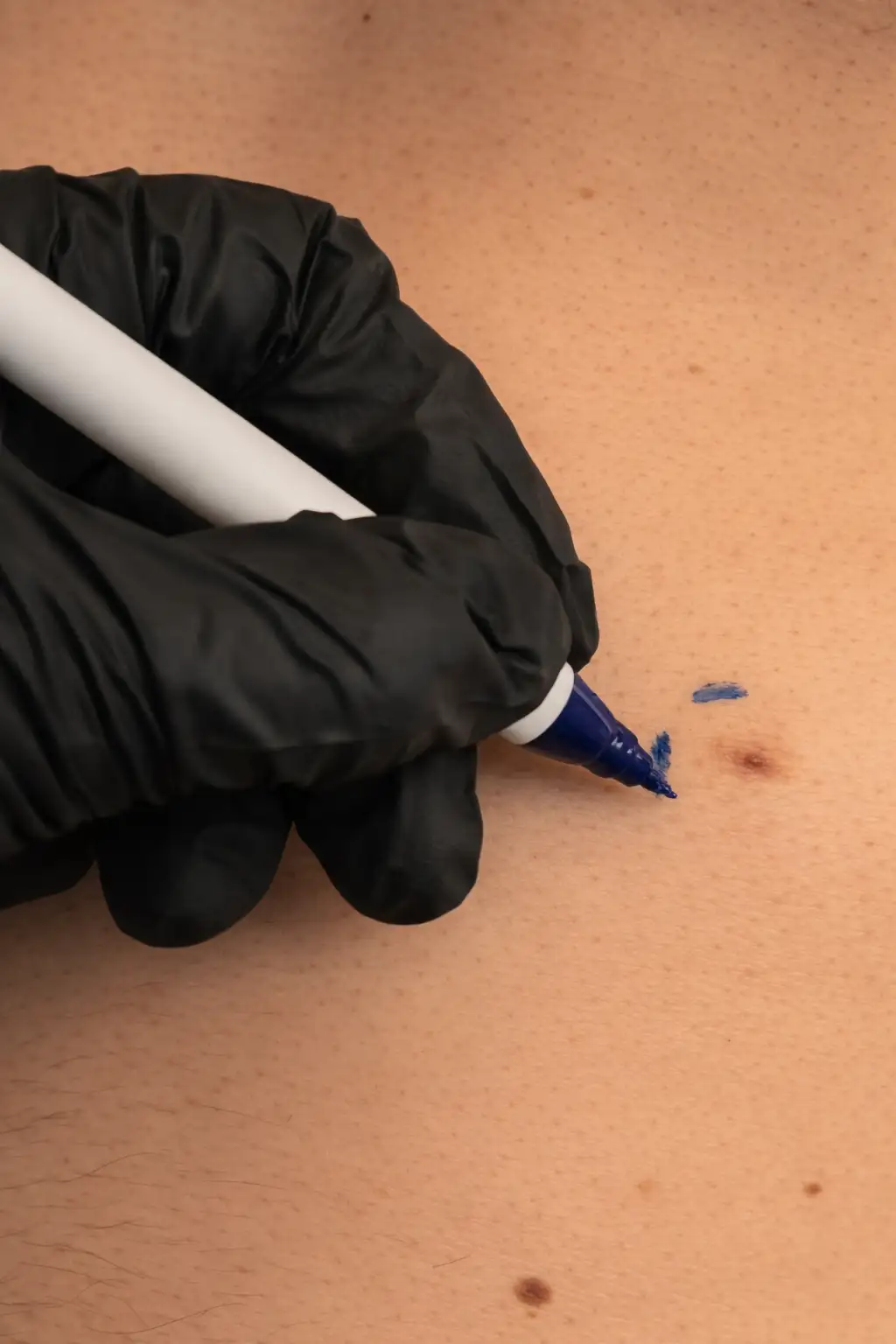
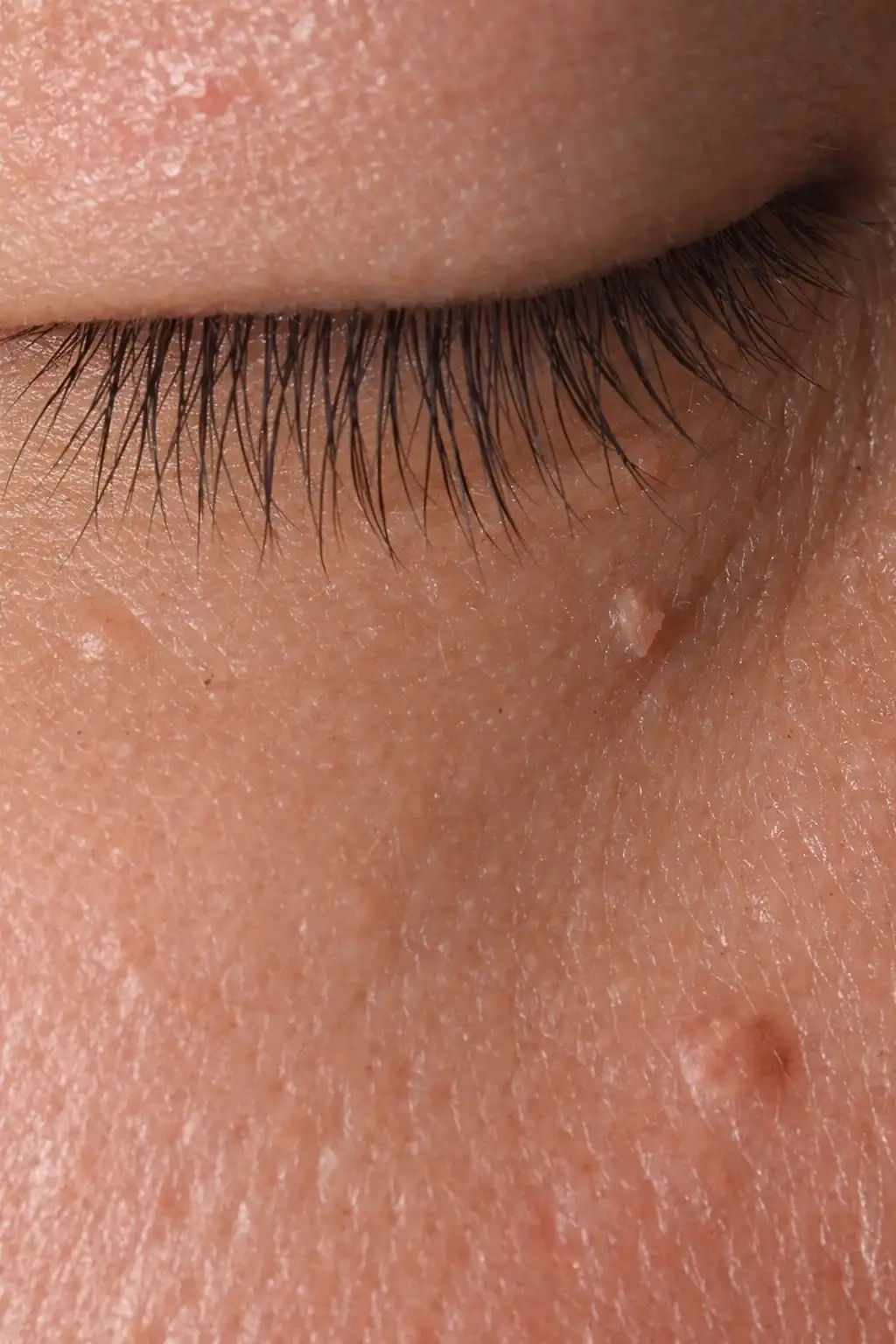
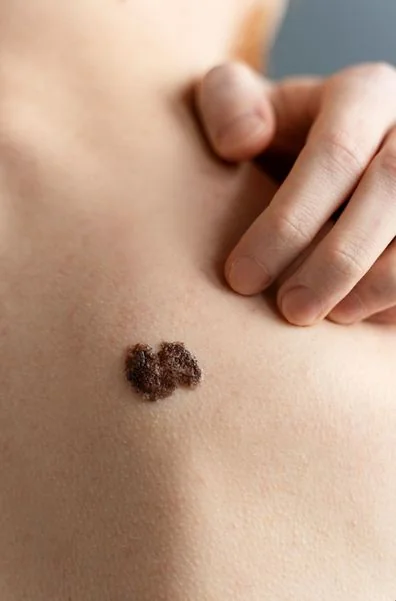
When we say moles in a skin context, were talking about those small, coloured bumps or spots made up of clustered pigment-producing cells (melanocytes) on your skin. They can be flat or raised, brown, tan, black, or even pink, and most appear in childhood or early adulthood. They arent contagious and usually dont do much beyond sitting there, but because theyre collections of melanocytes, sometimes doctors watch them for changes that might hint at melanoma, a form of skin cancer.
Our dataset currently has 2 clinic(s), with approximately 41 reviews and an average rating of 5.
Medical Infrastructure:
- Primary care under NHS Hertfordshire and West Essex ICB
- Private secondary care via Spire Bushey Hospital and other North London private hospitals
- Access to London tertiary centres
Local Aethetics Market:
- Developed private dermatology presence with insurer integration
Goals of Moles Treatment
- Understanding and monitoring moles so any suspicious changes get picked up early.
- Removing a mole when its medically advised (eg for biopsy or cancer risk) to prevent issues.
- Removing one or more for cosmetic or comfort reasons when a person is bothered by its appearance or irritation.
- Minimising any discomfort, snagging on clothes, or psychological worries about a mole.
Moles Treatment Options
Medical & Non-Surgical Approaches
- If a mole is purely cosmetic and benign, some clinics offer mole reduction to make it smaller without full excision, but thats different from full removal and histology.
- Cryotherapy can be used for some skin lesions (less common for deeper moles).
- Theres really no safe DIY option home removal can lead to infection, scarring, and missed diagnoses.
Pros of Moles Treatment
- Most moles are harmless and dont require intervention at all.
- Professional removal can give peace of mind and resolve cosmetic or irritative concerns.
- When necessary, removal and histology can rule out melanoma or other pathology.
Cons of Moles Treatment
- Any intervention can leave a scar or small mark.
- Theres cost associated with private procedures if its not medically urgent.
- If done poorly, theres risk of infection or regrowth, and DIY removal is strongly discouraged.
- Not all moles are suitable for certain removal methods like lasers if a biopsy is needed.
Cost of Moles Treatment in Borehamwood
- Private mole removal in the UK often ranges from around GBP 250 to 450 for a single mole, with additional fees for consultation (GBP 50 to 150) and histology/bio testing (GBP 50 to 150). Some specialist clinics, especially in London, quote overall single mole procedures from roughly GBP 775 up to GBP 930 or more when biopsy and histology are included.
- Clinic location and overheads (central London tends to cost more).
- Type of removal (shave excision, surgical excision, laser and whether biopsy is done).
- Size, depth, and location of the mole itself.
- Experience and qualification of the dermatologist or surgeon.
Accessibility
Public transport:
- Thameslink rail station (Elstree & Borehamwood) with direct services to London St Pancras
- Proximity to M25 and A1
Parking availability:
- Private hospital and clinic sites typically provide dedicated parking
- Town centre multi-storey parking available
Clinic distribution:
- Clinics located within accessible commercial or hospital-adjacent zones
Airport proximity:
- Approximately 35 km to London Heathrow
- Approximately 45 km to London Luton Airport
Preparing for Your Moles Appointment
- Talk through your full medical history with the treating clinician.
- Understand the removal method they recommend and why.
- Ask about aftercare and whether you need to adjust medications like blood thinners.
- Plan for sun protection after the procedure to help healing.
Once removed, a mole doesnt usually need maintenance, but follow-up to check healing and scarring is common.
Treatment Safety & Local Regulations
Professional mole removal should be done in a sterile setting by medical professionals to minimise infection or scarring.If the mole is suspicious of cancer, removal needs full excision and lab analysis rather than cosmetic methods.Avoid at-home techniques that carry high risk of wrong diagnosis and complications.
Most mole removals are done under local anaesthetic, so you usually feel only pressure or mild discomfort during the procedure and minimal pain afterwards.
- Ideally a dermatologist or medical professional with expertise in skin lesion assessment and surgical removal.
- Training in excision and histological sampling so suspicious cases are treated correctly.
- Practising in a CQC registered clinic with proper aftercare protocols.
Theres no NICE guideline exclusively about cosmetic mole removal, but NICE skin cancer guidance covers when suspicious moles should be assessed and removed medically. Devices used in removal (like surgical tools/lasers) are regulated and clinics must follow broader safety frameworks; the NHS will generally only remove moles that are medically justified under those guidelines.
Local regulatory authority:
- Care Quality Commission (CQC) for regulated healthcare services in England
Private insurance usage locally:
- High relative to UK average due to commuter income and employer-sponsored PMI coverage
Cosmetic finance availability:
- Likely available for higher-cost procedures such as liposuction
- Typical of private hospital-affiliated services
Who Is a Good Candidate?
- Anyone with a suspicious mole thats changing in shape, size or colour.
- People whose moles irritate them physically or make them self-conscious.
- Those whose GP or dermatologist advises removal for medical reasons.
- Not good for people considering at-home or unregulated removal professional evaluation is safer.
Choosing a Clinic
- Ideally a dermatologist or medical professional with expertise in skin lesion assessment and surgical removal.
- Training in excision and histological sampling so suspicious cases are treated correctly.
- Practising in a CQC registered clinic with proper aftercare protocols.
- A qualified dermatologist or experienced skin surgeon rather than a general beauty provider, because proper assessment matters.
- Clear explanation of why the mole should be removed and what results to expect.
- Verification that the clinic is Care Quality Commission (CQC) registered to ensure safety standards.
- Good communication about scarring, aftercare, and histological analysis if needed.
Current average rating citywide: 5
Recovery & Long-Term Results
- You can often go about normal life soon after, with simple aftercare like keeping the site clean and protected.
- Temporary redness or swelling.
- Scarring where the mole was removed.
- Rare infection if aftercare isnt followed.
Aftercare:
- If a mole is purely cosmetic and benign, some clinics offer mole reduction to make it smaller without full excision, but thats different from full removal and histology.
- Cryotherapy can be used for some skin lesions (less common for deeper moles).
- Theres really no safe DIY option home removal can lead to infection, scarring, and missed diagnoses.