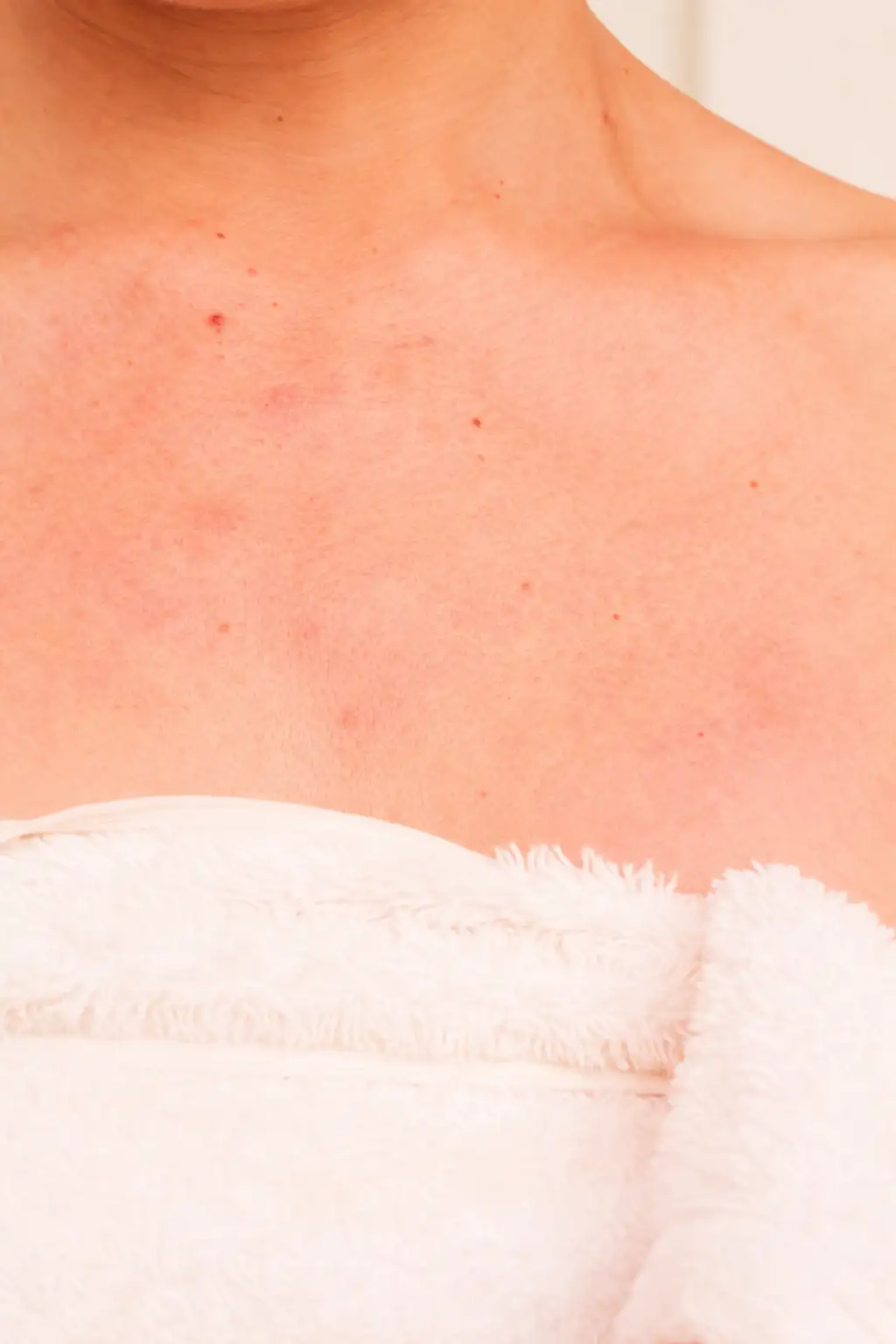
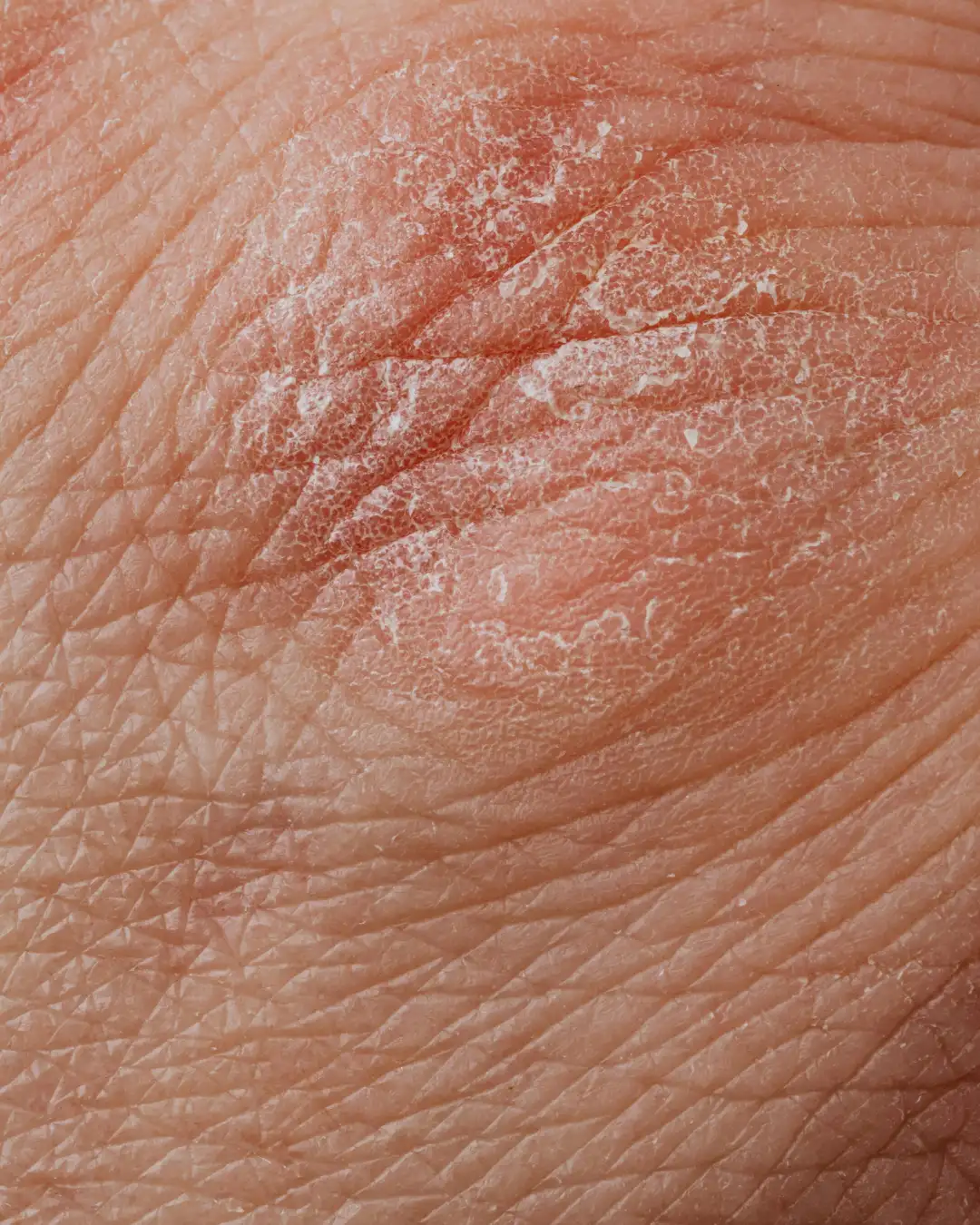
Hives treatment (urticaria treatment) focuses on calming an overactive immune response in the skin. Hives happen when mast cells release histamine, which causes itchy, raised welts. Treatment works by blocking or reducing that histamine response, calming inflammation, and identifying triggers when possible. First-line treatment is usually non-drowsy antihistamines. For more stubborn or chronic cases, doses may be increased, or other medications like leukotriene blockers, short steroid courses, or biologics such as omalizumab may be used. It�s less about curing and more about controlling flares while the body settles. (NHS, British Association of Dermatologists)
Our dataset currently has 13 clinic(s), with approximately 470 reviews and an average rating of 4.930769231.
Medical Infrastructure:
- Addenbrooke�s Hospital (Cambridge University Hospitals NHS Foundation Trust)
- Cambridge Biomedical Campus
- Spire Cambridge Lea Hospital (private)
- Multiple CQC-registered independent clinics
Local Aethetics Market:
Highly mature, specialist-driven dermatology and aesthetic market
- Keep a symptom diary with photos if hives come and go.
- List medications including painkillers and supplements.
- Note patterns like pressure, heat, infections, or stress.
- Avoid stopping antihistamines suddenly unless advised.
Chronic hives often require maintenance treatment. Antihistamines may be taken daily for months. Biologics are usually given every 4 weeks, then reviewed regularly.
Hives themselves can sting or burn, but treatment is not painful. Antihistamines are oral. Injections like omalizumab involve mild needle discomfort.
Second-generation antihistamines are generally very safe.Steroids are used short-term only due to side effects.Biologics require monitoring for rare allergic reactions.
NICE guidance supports stepped antihistamine treatment and specialist referral for chronic urticaria.
Local regulatory authority:
- Care Quality Commission (CQC) for independent healthcare providers
- General Medical Council (GMC) for doctors
- Nursing and Midwifery Council (NMC) for nurse prescribers
Private insurance usage locally:
- High relative to UK average
- Strong presence of insured dermatology consultations via Bupa, AXA, Aviva and others
Cosmetic finance availability:
Common for higher-value procedures (laser courses, HIFU, advanced injectables)
- A GP or dermatologist experienced in managing urticaria.
- Willingness to follow a stepped treatment plan rather than jumping straight to extremes.
- Clear explanation of medication dosing, especially off-label antihistamine escalation.
- Access to allergy or immunology referral if needed.
Current average rating citywide: 4.930769231