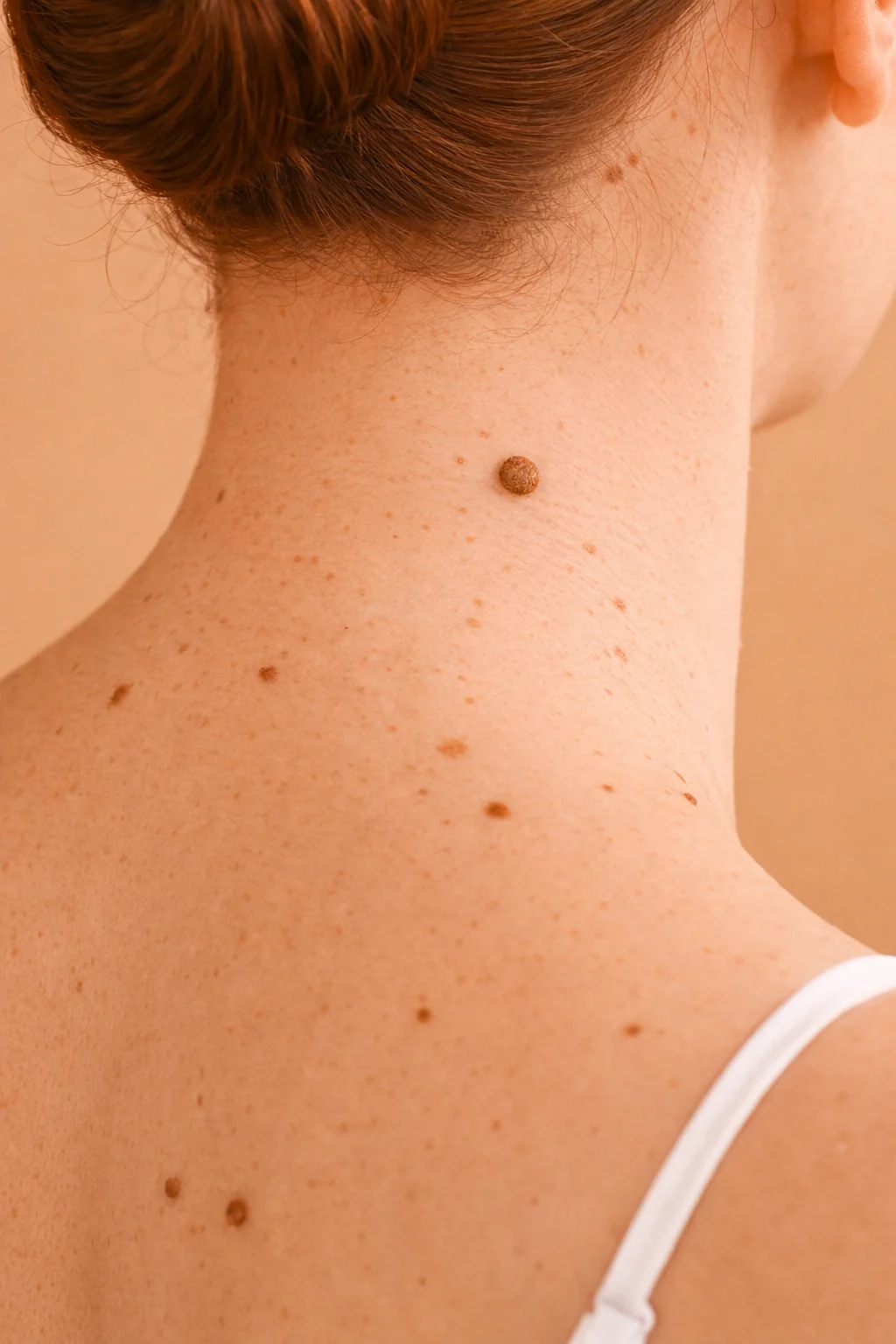
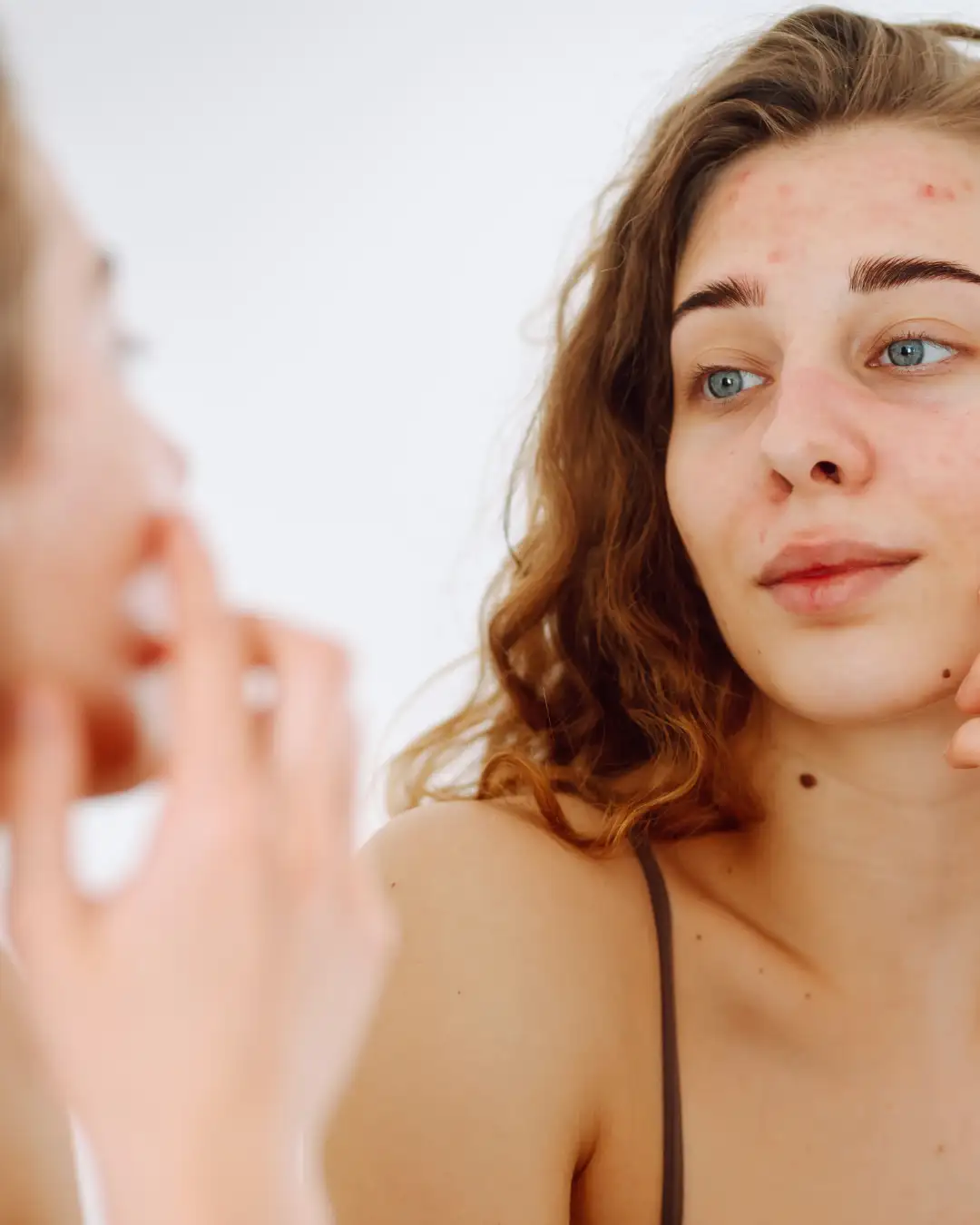
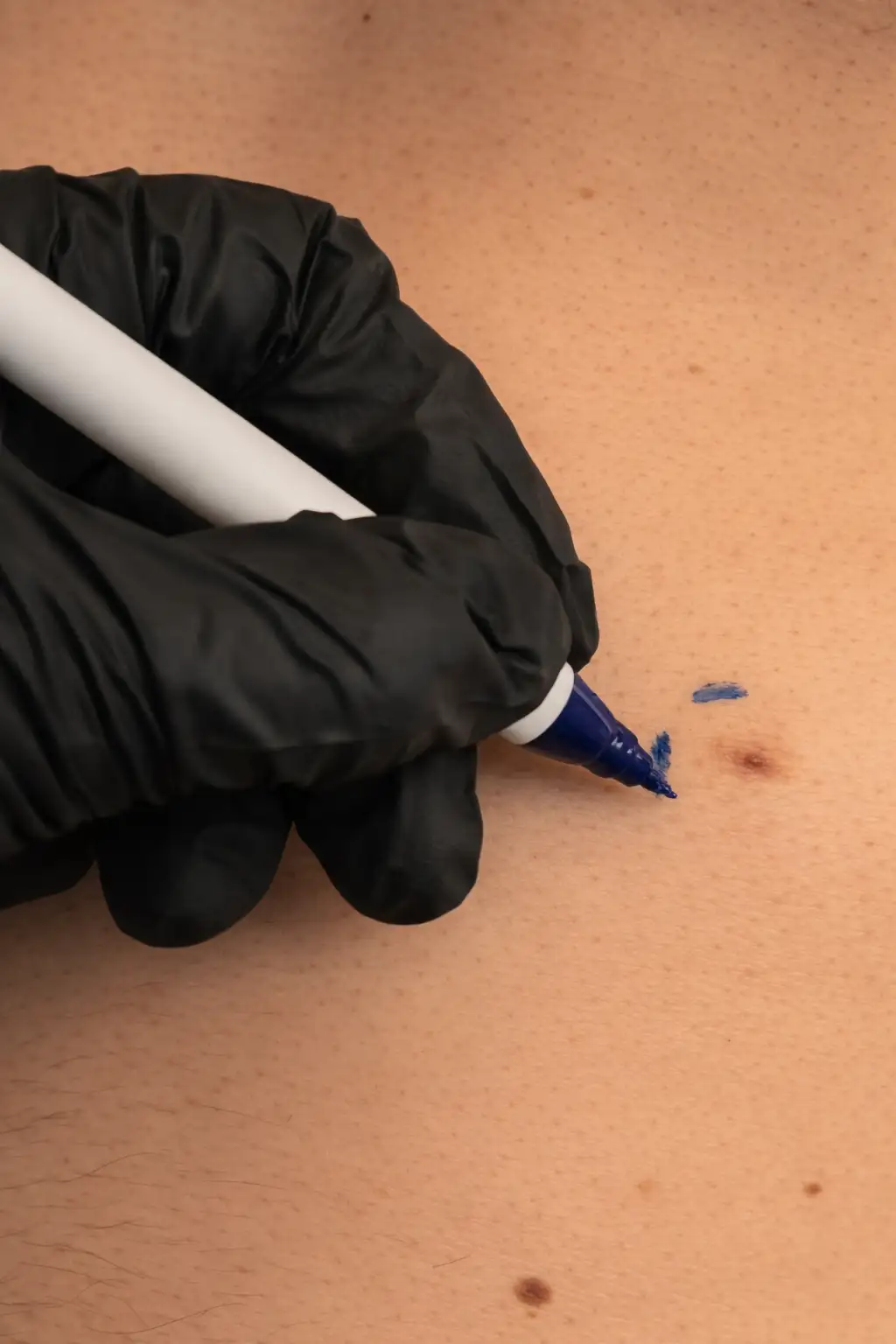
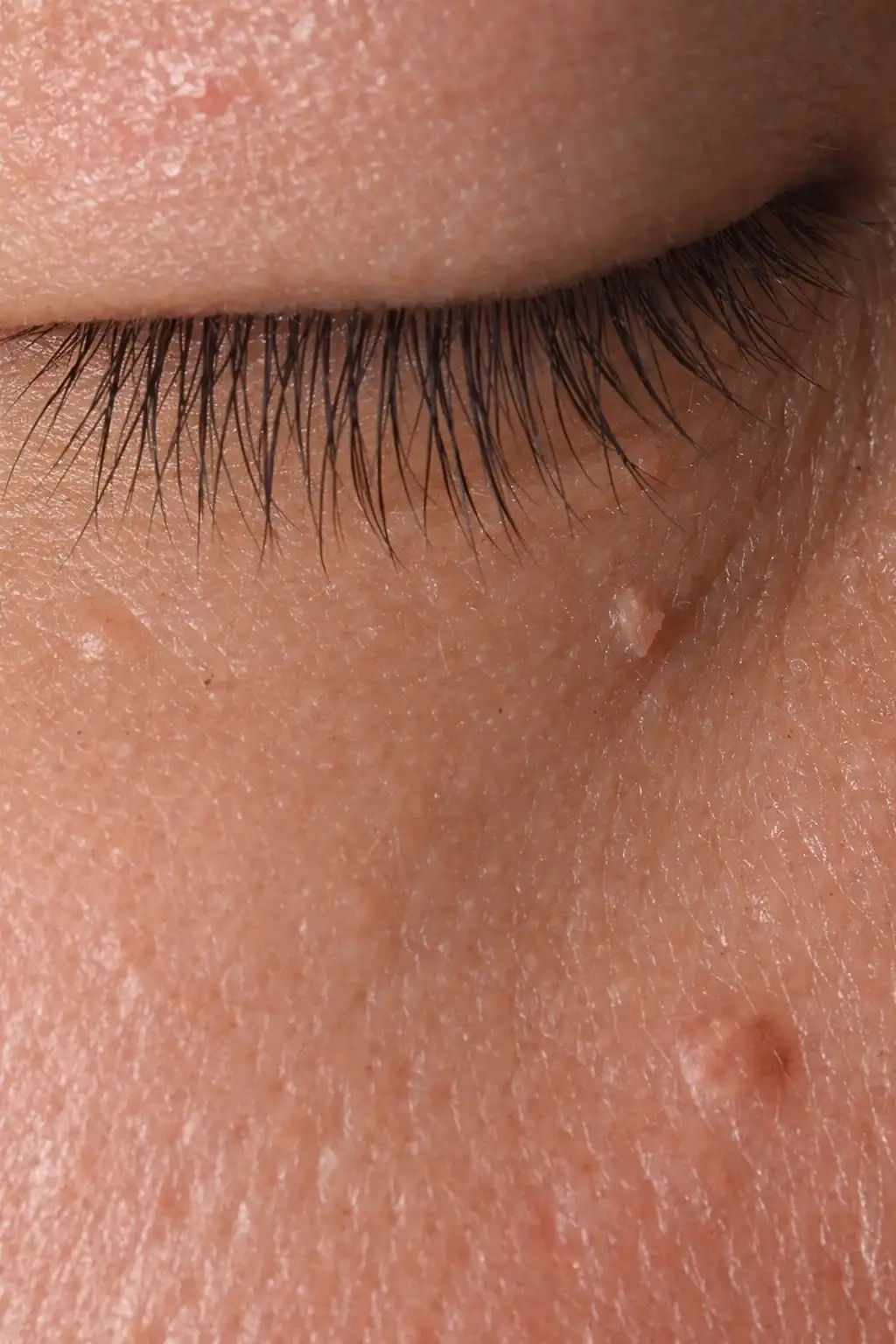
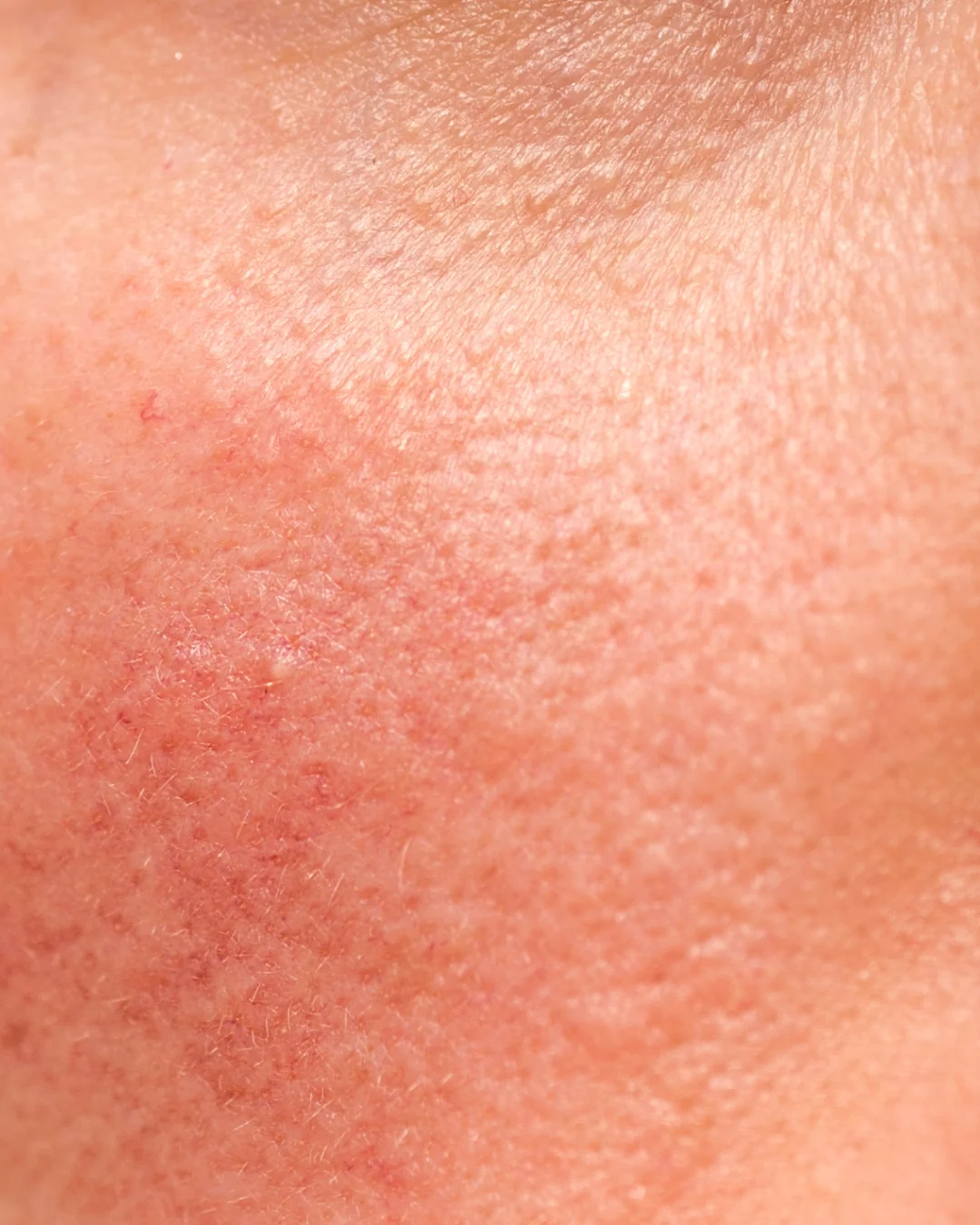
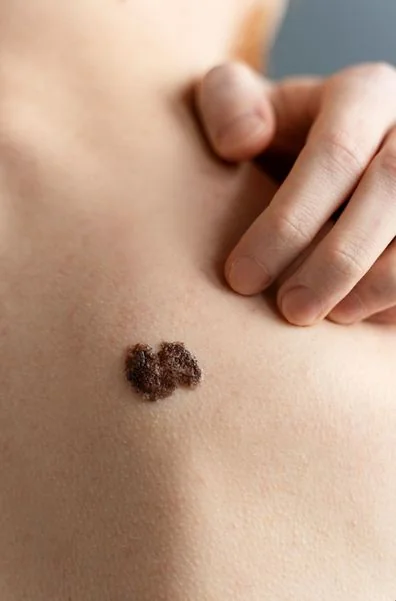
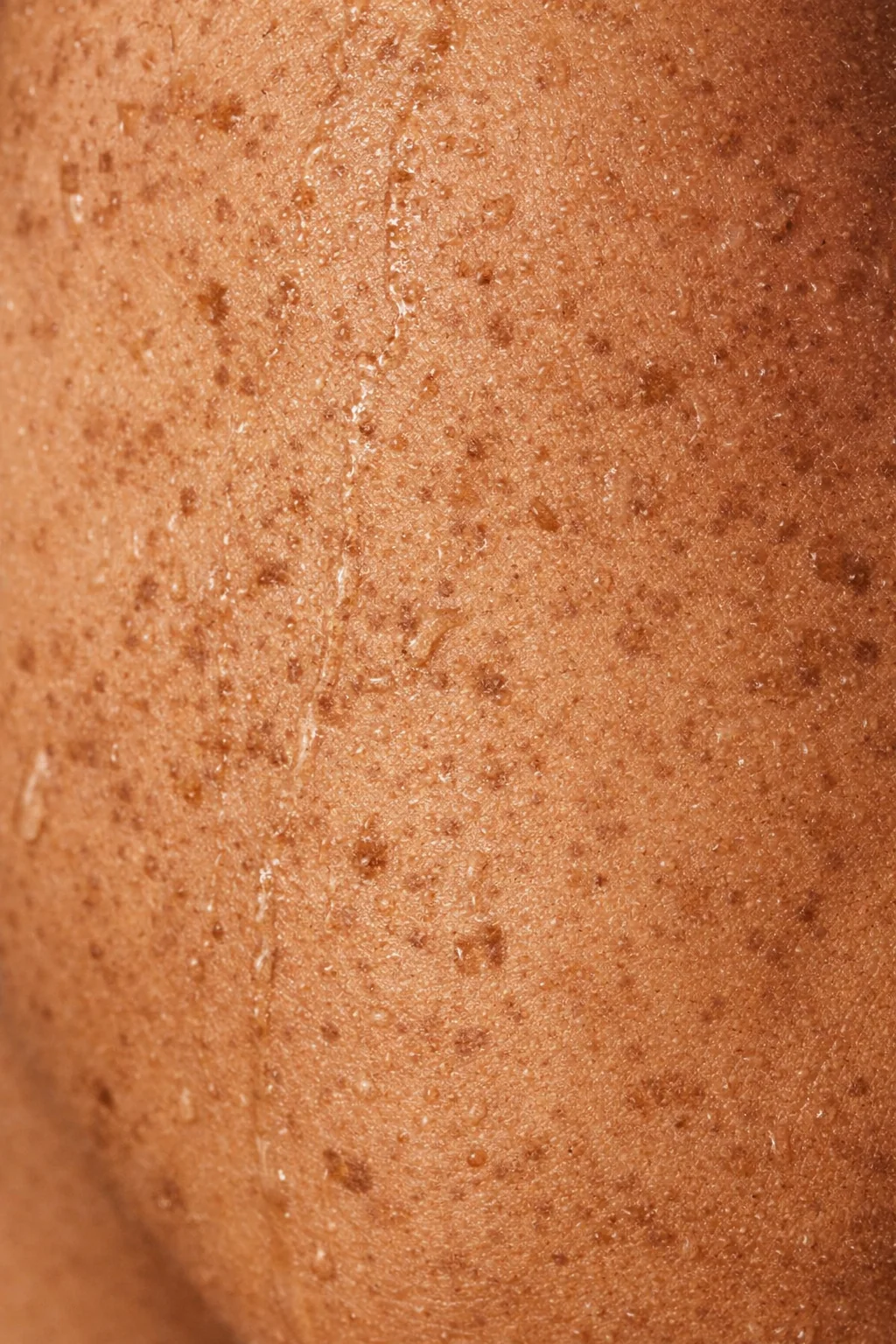
When we say �moles� in a skin context, we�re talking about those small, coloured bumps or spots made up of clustered pigment-producing cells (melanocytes) on your skin. They can be flat or raised, brown, tan, black, or even pink, and most appear in childhood or early adulthood. They aren�t contagious and usually don�t do much beyond sitting there, but because they�re collections of melanocytes, sometimes doctors watch them for changes that might hint at melanoma, a form of skin cancer.
Our dataset currently has 2 clinic(s), with approximately 172 reviews and an average rating of 5.
Medical Infrastructure:
- Local GP services
- Proximity to Lagan Valley Hospital (Lisburn) and Belfast Health & Social Care Trust tertiary services
- Access to private healthcare in Belfast
Local Aethetics Market:
Mature boutique medical-aesthetic market with strong medical leadership
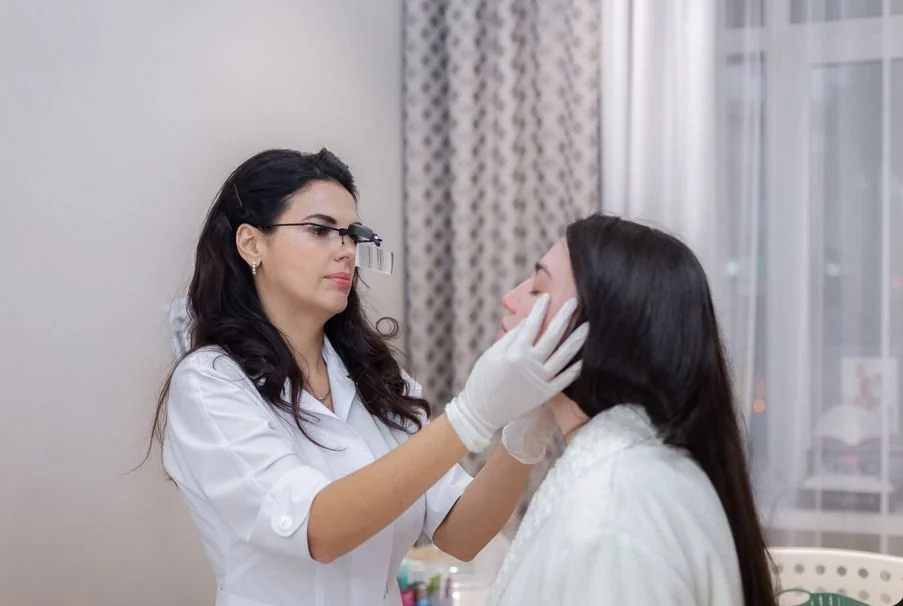
- Talk through your full medical history with the treating clinician.
- Understand the removal method they recommend and why.
- Ask about aftercare and whether you need to adjust medications like blood thinners.
- Plan for sun protection after the procedure to help healing.
Once removed, a mole doesn�t usually need �maintenance�, but follow-up to check healing and scarring is common.
Professional mole removal should be done in a sterile setting by medical professionals to minimise infection or scarring.If the mole is suspicious of cancer, removal needs full excision and lab analysis rather than cosmetic methods.Avoid at-home techniques that carry high risk of wrong diagnosis and complications.
Most mole removals are done under local anaesthetic, so you usually feel only pressure or mild discomfort during the procedure and minimal pain afterwards.
- Ideally a dermatologist or medical professional with expertise in skin lesion assessment and surgical removal.
- Training in excision and histological sampling so suspicious cases are treated correctly.
- Practising in a CQC registered clinic with proper aftercare protocols.
There�s no NICE guideline exclusively about cosmetic mole removal, but NICE skin cancer guidance covers when suspicious moles should be assessed and removed medically. Devices used in removal (like surgical tools/lasers) are regulated and clinics must follow broader safety frameworks; the NHS will generally only remove moles that are medically justified under those guidelines.
Local regulatory authority:
- Regulation and Quality Improvement Authority (RQIA) for independent healthcare services in Northern Ireland
- General Dental Council (GDC) for dental surgeons
- General Medical Council (GMC) where applicable
- Nursing and Midwifery Council (NMC)
- Medicines and Healthcare products Regulatory Agency (MHRA)
Private insurance usage locally:
- Limited for cosmetic injectables
- Relevant for medically indicated dermatology where applicable
Cosmetic finance availability:
- Moderate availability through UK cosmetic finance providers
- Higher uptake for package laser hair removal and injectable plans
- Ideally a dermatologist or medical professional with expertise in skin lesion assessment and surgical removal.
- Training in excision and histological sampling so suspicious cases are treated correctly.
- Practising in a CQC registered clinic with proper aftercare protocols.
- A qualified dermatologist or experienced skin surgeon rather than a general beauty provider, because proper assessment matters.
- Clear explanation of why the mole should be removed and what results to expect.
- Verification that the clinic is Care Quality Commission (CQC) registered to ensure safety standards.
- Good communication about scarring, aftercare, and histological analysis if needed.
Current average rating citywide: 5