Astanza Duality Q Switched Nd:YAG Laser
Astanza
Laser deviceQ-switched Nd:YAG aesthetic laser for tattoo and pigment removal
Certifications
- CE Marked professional laser device compliant with EU/UK medical/aesthetic device regulations applicable to class 4 therapeutic lasers (classification may vary by jurisdiction and configuration)
- Designed and manufactured to relevant IEC laser safety and electrical safety standards (e.g. IEC 60825 for laser safety, IEC 60601 series for medical electrical equipment)
- Intended for use in compliance with national laser safety regulations, including controlled access, signage and operator training requirements
- CE Marked professional laser device compliant with EU/UK medical/aesthetic device regulations applicable to class 4 therapeutic lasers (classification may vary by jurisdiction and configuration)
- Designed and manufactured to relevant IEC laser safety and electrical safety standards (e.g. IEC 60825 for laser safety, IEC 60601 series for medical electrical equipment)
- Intended for use in compliance with national laser safety regulations, including controlled access, signage and operator training requirements
Q-switched Nd:YAG aesthetic laser for tattoo and pigment removal
Description
The Astanza Duality is a professional Q-switched Nd:YAG laser system designed primarily for tattoo removal and benign pigmented lesion treatments. It delivers two gold-standard wavelengths, 1064 nm and 532 nm, enabling effective treatment of a broad spectrum of tattoo ink colours and epidermal pigmented lesions across a wide range of skin types. The system features nanosecond Q-switched pulses with high peak power, square-spot beam profiles and adjustable fluence and repetition rates to provide fast, precise treatments with minimal downtime. Commonly used in aesthetic clinics, med spas and dermatology practices, the Duality is considered a workhorse laser platform for high-throughput tattoo removal services and pigment clearance.
Bnefits
- Dual wavelengths (1064 nm and 532 nm) for versatile treatment of dark and bright tattoo inks as well as benign pigmented lesions
- Q-switched nanosecond pulses deliver high peak power for efficient photoacoustic shattering of pigment particles
- High maximum fluence (around 20–22 J/cm² depending on spot size and wavelength) for treating resistant inks and deeper pigment
- Adjustable repetition rates up to 10 Hz to support faster treatment of larger areas and improve clinic throughput
- Square-spot beam profile to help minimise pulse overlap, reduce risk of overtreatment and improve treatment uniformity
- Suitable for a variety of Fitzpatrick skin types when used with appropriate parameters and cooling
- Established platform widely used in laser tattoo removal practices, with robust construction and long service life
- Compatible with external skin-cooling devices to enhance patient comfort and safety during procedures
Indications
- Professional laser tattoo removal (black and dark inks primarily with 1064 nm; red, orange and yellow inks with 532 nm)
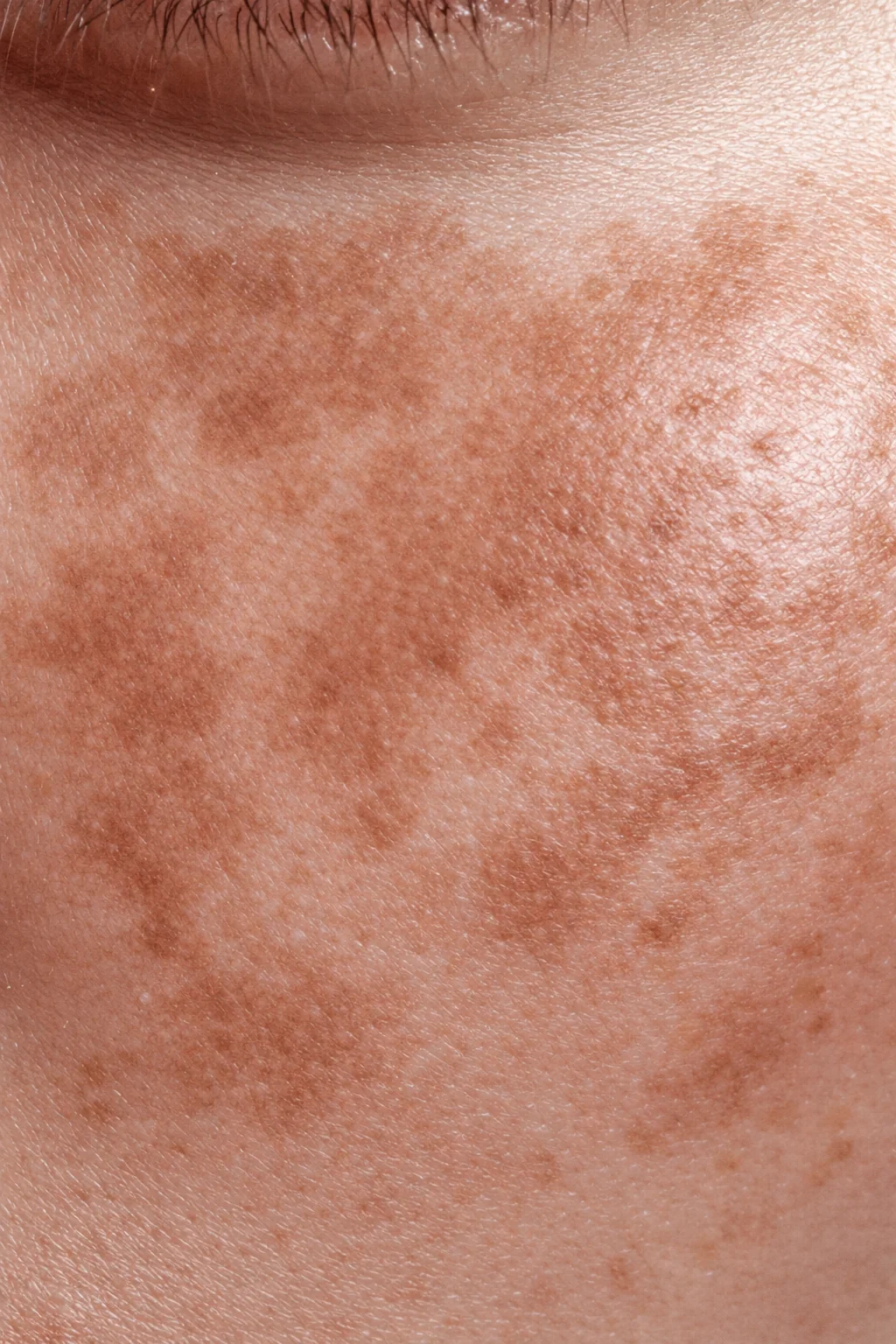
- Treatment of benign pigmented lesions such as lentigines, sun spots and café-au-lait macules, according to local regulations and clinical judgement
- Adjunctive use in selected skin rejuvenation and photoacoustic resurfacing indications where Q-switched Nd:YAG is appropriate (off-label in some jurisdictions, depending on device labelling)
- Use in aesthetic/dermatologic clinics, med spas, and tattoo-removal specialty practices by trained medical professionals
Composition
- Q-switched Nd:YAG laser source with frequency-doubled KTP to provide 1064 nm and 532 nm output
- Internal optical cavity and beam-shaping optics designed to produce a square spot with uniform fluence distribution
- Handpieces offering multiple square spot sizes (commonly 2 x 2 mm, 3 x 3 mm, 4 x 4 mm, with optional 5 x 5 mm; some references mention up to 5 mm circular/square spots)
- Integrated control electronics, touchscreen user interface and footswitch activation
- Stand-alone console with internal power supply and optional external air-cooling connection
- Housing with safety interlocks, key switch and emergency stop in accordance with laser safety standards
Formulation
- Non-invasive, energy-based medical/aesthetic device (no pharmaceutical formulation)
- Q-switched Nd:YAG solid-state laser delivering nanosecond pulses at 1064 nm and 532 nm
- Energy output adjustable in fluence (J/cm²), spot size (approx. 2–5 mm) and repetition rate (up to 10 Hz)
- Designed to be used with compatible protective eyewear and, where appropriate, external skin-cooling systems
Packaging
- Complete laser console system (Astanza Duality unit) with integrated touchscreen and footswitch
- Standard handpieces for multiple spot sizes (typically 2 x 2 mm, 3 x 3 mm, 4 x 4 mm; optional additional sizes supplied depending on configuration)
- Power cable and basic accessories (e.g. operator and patient protective goggles, key, emergency stop, manuals) when supplied new by Astanza or fully configured by a reseller
- Used systems in secondary markets may be supplied with variable accessory sets depending on seller and configuration; a full inventory list is typically included in resale listings
Usage
- The Astanza Duality is for professional use only and must be operated by clinicians or laser practitioners who have completed appropriate training and are familiar with Q-switched Nd:YAG laser safety and tattoo removal protocols.
- Before treatment, perform a full medical history, skin assessment and tattoo evaluation (ink colours, density, depth, age) and obtain informed consent.
- Provide suitable eye protection for the patient and all personnel in the treatment room, matched to 1064 nm and 532 nm wavelengths.
- Select the appropriate wavelength based on ink colour and lesion type (1064 nm for dark inks and deeper pigment; 532 nm for red, orange, yellow and some superficial pigment).
- Choose spot size, fluence and repetition rate according to the treatment objective, skin type and clinical protocols; start with conservative settings and adjust based on tissue response.
- Use appropriate skin-cooling before, during or after treatment as needed to improve comfort and reduce risk of epidermal injury.
- Apply laser pulses in a non-overlapping pattern (taking advantage of the square spot) to cover the treatment area uniformly without excessive stacking.
- Monitor the skin response (e.g. immediate whitening or mild frosting of the tattoo, transient erythema) and adjust parameters as required; discontinue or modify treatment if excessive purpura, blistering or unexpected reactions occur.
- Schedule follow-up treatments typically every 6–8 weeks to allow adequate clearance of ink and skin recovery; the total number of sessions will depend on tattoo characteristics, patient skin type and response.
- Maintain and calibrate the device according to Astanza’s service schedule and local regulations; keep a detailed log of servicing, repairs and laser safety checks.
Contraindications
- Use on patients with active skin infections, open wounds, severe dermatitis or inflammatory skin conditions in the treatment area
- Use on patients with a history of keloid or hypertrophic scarring in high-risk areas without careful risk–benefit assessment
- Treatment of tattoos located over areas where recent isotretinoin therapy, radiotherapy or other procedures have compromised skin integrity, unless sufficient recovery time has elapsed and a specialist approves treatment
- Use in pregnant or breastfeeding individuals is generally discouraged due to limited safety data for elective cosmetic laser procedures
- Use in patients with photosensitive disorders or who are taking photosensitising medications without specialist evaluation and parameter adjustment
- Treatment of suspicious pigmented lesions that have not been fully assessed and cleared by a dermatologist or relevant specialist
- Use without appropriate eye protection and laser safety controls in place
Adverse Effects
- Common transient reactions: erythema, oedema, mild to moderate pain or discomfort during treatment, transient whitening of the treated area and occasional pinpoint bleeding or purpura
- Short-term blistering, crusting or scabbing, particularly at higher fluences or with sensitive skin, which typically resolves with appropriate wound care
- Post-inflammatory hyperpigmentation or hypopigmentation, especially in darker skin types or when aggressive parameters are used
- Rare risks of scarring (including hypertrophic or keloid scars) if healing is impaired or if overtreatment occurs
- Potential infections if post-treatment care is inadequate or if blisters/crusts are traumatised
- Very rare risk of paradoxical tattoo darkening in certain cosmetic ink compositions (e.g. containing ferric compounds or titanium dioxide), requiring adjusted treatment strategy
Storage Conditions
- Install and operate the device in a clean, dry, temperature-controlled clinical environment according to the manufacturer’s specified ambient temperature and humidity ranges.
- Ensure adequate ventilation around the unit and avoid blocking air inlets or outlets.
- Protect the device from dust, vibration and mechanical shock; use appropriate movers or casters when repositioning the unit.
- When not in use, switch the system to standby or powered down according to Astanza’s guidelines; keep the key removed and stored securely to prevent unauthorised use.
- Store handpieces and protective eyewear in their designated holders or cases to prevent damage and contamination.
Duration
Actual treatment time per session varies with tattoo size and complexity; small tattoos may take only a few minutes, whereas larger or multicolour tattoos can take 20\u201340 minutes per session. Multiple sessions (often 6\u201312 or more) spaced approximately 6\u20138 weeks apart are usually required for significant or complete tattoo clearance.
Onset
Immediate optical and acoustic interactions occur during treatment (whitening/frosting of pigment), but visible fading of tattoo ink typically becomes more apparent over several weeks as the lymphatic system clears fragmented pigment. Clinical improvement is progressive over the course of multiple sessions.