PicoIris Picosecond Q Switched Nd:YAG Laser (Nearly New Used System)
PicoIris
Laser & Aesthetic DevicesPicosecond Tattoo and Pigment Removal Lasers
Certifications
- CE certification as a medical or medical Aesthetic laser device, as declared by the manufacturer or distributors.
- Manufactured under a quality management system consistent with ISO 13485 for medical devices.
- Marketed internationally by PZ Laser and distributors with reference to FDA and CE regulatory clearances for appropriate models and configurations.
- Use subject to compliance with national laser safety standards and occupational health requirements in the country of installation.
- CE certification as a medical or medical Aesthetic laser device, as declared by the manufacturer or distributors.
- Manufactured under a quality management system consistent with ISO 13485 for medical devices.
- Marketed internationally by PZ Laser and distributors with reference to FDA and CE regulatory clearances for appropriate models and configurations.
- Use subject to compliance with national laser safety standards and occupational health requirements in the country of installation.
Picosecond Tattoo and Pigment Removal Lasers
Description
The PicoIris laser is a high-performance picosecond Q-switched Nd:YAG aesthetic laser system designed for multi-coloured tattoo removal, benign pigmented lesion treatment and advanced skin rejuvenation. It delivers ultra-short pico pulses in the order of trillionths of a second, creating a powerful photomechanical effect that shatters pigment into tiny particles while minimising heat-related damage to surrounding tissue. Multiple wavelengths (1064 nm, 532 nm and 755 nm as standard, with optional 585 nm and 650 nm) allow treatment of a full spectrum of tattoo inks and epidermal and dermal pigmented lesions. Proprietary focus lens and fractional lens array technology concentrate energy into precise micro-zones for effective treatment of wrinkles, acne scars and skin texture with reduced downtime. This specific listing is for a nearly new PicoIris system being sold on behalf of a client by Laser & Aesthetics; the unit was originally purchased in 2020, reportedly hardly used, and is supplied as a complete installed system.
Bnefits
- Picosecond pulse technology provides strong photoacoustic pigment shattering with less thermal damage, leading to faster clearance and reduced risk of scarring compared with traditional nanosecond lasers.
- Multiple wavelengths (1064 nm, 532 nm and 755 nm, with optional 585 nm and 650 nm) enable treatment of virtually all tattoo colours and a wide range of epidermal and dermal pigmented lesions.
- Fractional and focus lens array technology delivers highly concentrated energy to precise depths with lower fluence in surrounding tissue, supporting safe and effective skin rejuvenation and scar treatments.
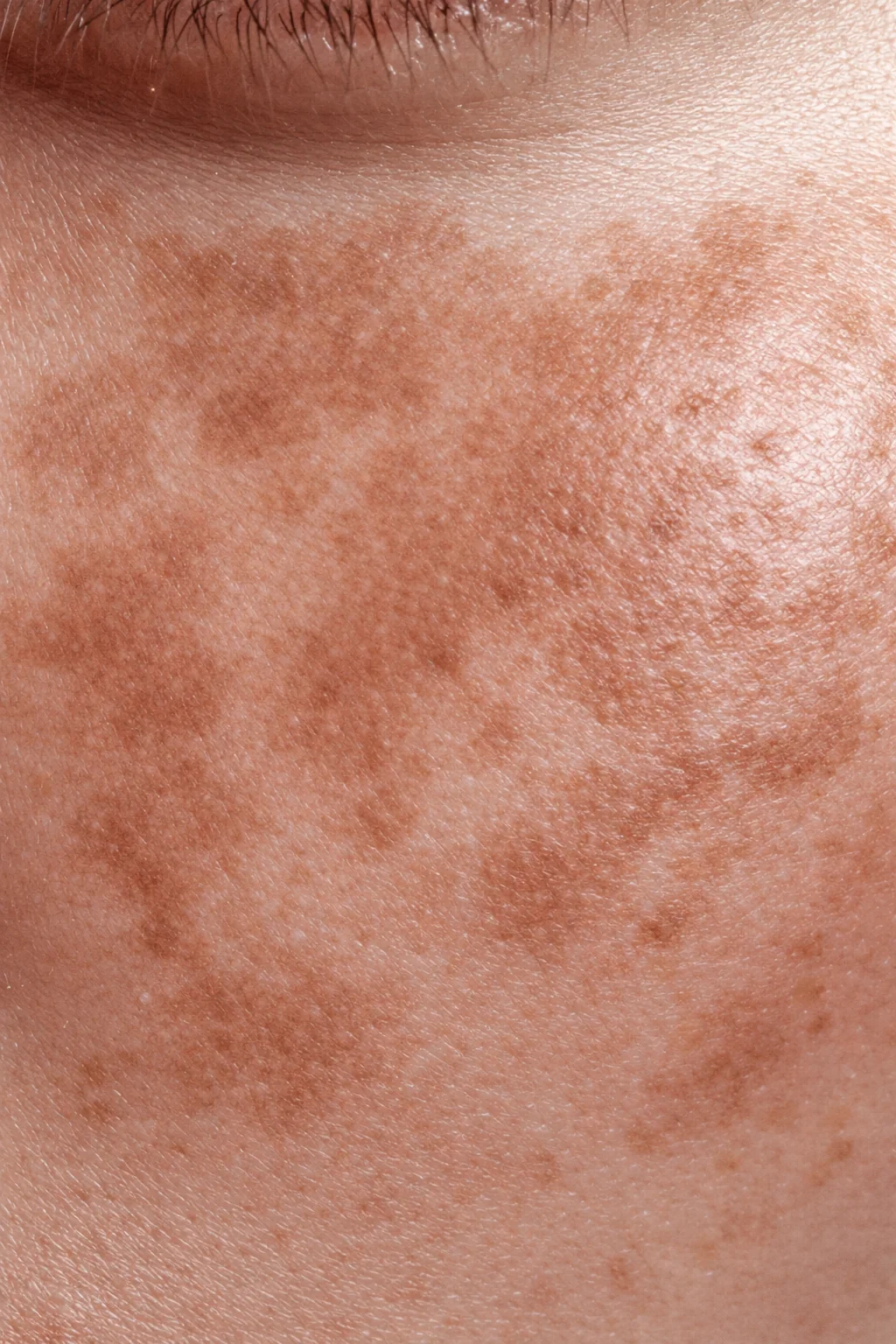
- Suitable for a broad range of indications including multi-colour tattoo removal, freckles, sunspots, melasma and other benign pigment, as well as skin rejuvenation, wrinkles, acne scars and carbon facials.
- High pulse energy (around 750–800 mJ in picosecond mode) and flat-top beam profile support efficient treatments with fewer sessions for many indications.
- Articulated arm delivery with optimised optics helps maintain stable energy and uniform spot size while improving operator ergonomics.
- Integrated clinical database and preset parameter recommendations (in the Ultra PicoIris generation) assist clinicians in choosing appropriate settings and shorten learning curves.
- The nearly new used system offers significantly reduced acquisition cost versus a new unit, while still including professional installation by a laser engineer arranged by Laser & Aesthetics.
Indications
- Removal of professional, amateur and cosmetic tattoos of multiple colours, including black, dark blue, red and green inks.
- Treatment of benign epidermal and dermal pigmented lesions such as freckles, sunspots, lentigines, café-au-lait macules and other similar conditions, in appropriate patients.
- Skin rejuvenation procedures targeting fine wrinkles, textural irregularities, enlarged pores and loss of radiance.
- Treatment of acne scars and other superficial atrophic scars using fractional or focus lens techniques.
- Skin whitening and brightening protocols, including carbon facials (carbon peel) where clinically appropriate.
- General pigment and photoageing correction on the face and body as part of a comprehensive aesthetic treatment plan, subject to professional assessment and local regulations.
Composition
- Laser type: Active Q-Switched Nd:YAG picosecond laser system.
- Standard wavelengths (as commonly specified for PicoIris): 1064 nm, 532 nm and 755 nm; optional 585 nm and 650 nm dye handpieces and fractional honeycomb applicator may be included depending on configuration.
- Pulse duration: picosecond pulses (around 350–500 ps in aesthetic configurations), with additional nanosecond and long-pulse modes in some Ultra PicoIris variants.
- Pulse energy: up to approximately 750–800 mJ in picosecond mode (device-specific maximums depending on wavelength and mode).
- Spot size: zoom handpiece with continuously adjustable spot size, typically from about 2.0 mm to 10.0 mm; fractional honeycomb handpiece for focus lens array treatments.
- Delivery system: trolley-mounted console with articulated arm and interchangeable handpieces.
- Electrical requirements: single-phase mains supply (around 200–240 V, 50/60 Hz) with power draw in the region of 4.5 kVA, depending on model.
Formulation
- Capital medical-aesthetic device comprising a console, internal solid-state Nd:YAG laser source, cooling and power systems, articulated delivery arm, handpieces and control electronics.
- Picosecond, PTP, long-pulse and multi-pulse operating modes (on Ultra PicoIris platforms) to address different indications from pigment to vascular and rejuvenation treatments.
- Flat-top beam profile for even energy distribution across the spot, improving efficacy and safety.
- Fractional and focus lens array applicators that concentrate energy into micro-zones for collagen stimulation and scar/wrinkle improvement while leaving surrounding tissue relatively spared.
- Touchscreen user interface providing parameter control and access to clinical preset protocols.
- Designed as a professional dermatology and aesthetic clinic workstation rather than a consumer device.
Packaging
- Complete trolley-mounted PicoIris laser console with integrated power and cooling systems.
- Articulated delivery arm with standard zoom handpiece (2.0–10.0 mm spot size).
- Fractional honeycomb or focus lens array handpiece, depending on configuration supplied.
- Footswitch, power cable and basic accessory kit as provided with the system.
- In the context of this nearly new listing, the device is supplied installed at the purchaser’s premises by a laser engineer, rather than in original shipping crates.
Usage
- For professional use only; the PicoIris laser must be operated exclusively by suitably trained and authorised healthcare or aesthetic practitioners in accordance with local laws and regulations.
- Perform a thorough medical history and skin assessment, including evaluation of tattoo characteristics or pigment type, skin type and any contraindications, before treatment.
- Ensure appropriate eye protection for patient and staff and implement all local laser safety measures, including controlled access, warning signage and designated laser safety officer oversight where required.
- Select the appropriate wavelength, pulse mode, fluence, repetition rate and spot size based on the indication, skin type and treatment area, starting with conservative settings and adjusting as clinically indicated.
- For tattoo and pigment removal, apply test spots where necessary and treat in a systematic pattern, allowing for appropriate overlap while avoiding excessive passes in a single session.
- For rejuvenation, acne scars and fractional treatments, use the focus/fractional lens array according to manufacturer guidelines, spacing treatments to allow adequate healing.
- Cool the skin before, during or after treatment as required to reduce discomfort and minimise risk of adverse effects, using approved cooling methods.
- Provide patients with detailed pre- and post-treatment care instructions, including sun avoidance, use of high-SPF sunscreen, gentle skin care and signs of complications that warrant prompt review.
- Document all treatments, including indication, areas treated, parameters used, number of passes and patient response, and record device serial number and service information for traceability.
- Follow the manufacturer’s instructions for daily checks, calibration, cleaning, water system maintenance and periodic servicing by qualified engineers to maintain performance and safety.
Contraindications
- Active local infection, inflammation, open wounds or compromised skin barrier in the proposed treatment area.
- Known photosensitivity or use of photosensitising medications that significantly increase the risk of adverse laser reactions.
- History of keloid or hypertrophic scarring in the treatment area, unless the potential benefits outweigh the risks and the patient is counselled accordingly.
- Recent intense sun exposure, tanning or use of self-tanning products, which may increase risk of pigmentary changes and should be avoided prior to treatment.
- Uncontrolled systemic disease or immunosuppression that may impair wound healing or increase infection risk, unless cleared by an appropriate physician.
- Pregnancy and breastfeeding are generally considered relative contraindications for elective aesthetic laser procedures and are usually avoided.
- Unrealistic expectations or inability to comply with aftercare and treatment schedules.
- Any additional contraindications highlighted in the current manufacturer’s instructions for use for the PicoIris system.
Adverse Effects
- Common, usually transient effects such as erythema, oedema, mild discomfort, pinpoint bleeding or superficial crusting in the treated area.
- Temporary darkening or whitening of pigmented lesions before they lighten, as well as transient post-inflammatory hyperpigmentation or hypopigmentation, particularly in darker skin types.
- Blistering, superficial burns or scabbing if fluence is excessive or the skin is overly photosensitised.
- Infection of treated areas if aftercare or aseptic technique is inadequate.
- Scarring or textural changes in rare cases, especially when inappropriate parameters are used or when there is a predisposition to abnormal scarring.
- Incomplete tattoo or pigment clearance or recurrence of pigment over time, necessitating additional sessions or alternative treatments.
- Eye injury if proper ocular protection is not used and laser safety protocols are breached.
- Any serious or unexpected adverse reaction should be managed according to clinical best practice and reported through appropriate device vigilance systems.
Storage Conditions
- Install and operate the system in a clean, dry, temperature-controlled clinical environment within the operating limits specified by the manufacturer.
- Keep air inlets and outlets unobstructed and allow sufficient clearance around the unit for ventilation and servicing.
- Protect the device from dust, moisture, direct sunlight, vibration and mechanical shock.
- Turn off and disconnect the system from the mains supply when not in use for extended periods, following the manufacturer’s shutdown procedure.
- Store and transport any detachable handpieces, focus lenses and accessories in their protective cases to prevent damage to optics and connectors.
- Ensure that only qualified service engineers perform internal maintenance and that cooling water quality and levels are maintained according to the service schedule.
Duration
Typical individual sessions last from a few minutes to around 30 minutes depending on indication and treatment area size. Tattoo removal often requires multiple sessions (commonly 5\u201310 or more) spaced several weeks apart, while pigment and rejuvenation protocols may use courses of 2\u20136 sessions at 4\u20136 week intervals, according to clinical judgement.
Onset
For tattoo and pigment removal, initial lightening can often be seen within weeks after the first sessions, with progressive clearance over the course of treatment. For rejuvenation and scar protocols, improvements in texture and tone typically develop gradually over several weeks to months as collagen remodelling occurs.