The medical aesthetics industry in Canada is booming, with projections showing the market will soar to $1.33 billion by 2030. Learning how to open a med spa in Canada involves a clear, multi-step process: you must first establish a legal framework with medical oversight, then create a detailed business plan, set up compliant operations, and build a qualified team. Mastering these key areas is the foundation of a successful and profitable venture.
Think of this guide as your roadmap. We will walk you through every critical step, from navigating the legal landscape to marketing your brand new clinic, ensuring you have the knowledge to build a successful and compliant business from the ground up.
Laying the Legal Foundation for Your Canadian Med Spa
Before you even think about choosing a laser or designing a logo, you must get the legal framework right. This is the most crucial part of learning how to open a med spa in Canada, as it protects you, your staff, and your future clients.
Understanding Canada’s Core Legal Requirements
Med spas operate in a space between healthcare and beauty, which means they are governed by a complex web of regulations. Unlike a standard day spa, you are performing medical procedures, which brings oversight from provincial medical colleges, ministries of health, and Health Canada. A key requirement is ensuring every service is offered safely and legally, which starts with proper supervision.
Securing Medical Oversight and Supervision
In Canada, a med spa must be overseen by a licensed medical professional, typically a physician or a nurse practitioner. This individual often serves as the Medical Director. They are legally responsible for the medical treatments performed, including prescribing medications like Botox (a prescription drug) and delegating tasks to other practitioners. Operating without this oversight isn’t just bad practice; it can be considered practicing medicine without a license, leading to severe penalties.
Navigating Practitioner Licensing and Scope of Practice
Every practitioner in your med spa must be licensed and qualified for the services they provide.
- Licensing: All doctors, nurse practitioners, and nurses must hold an active license in good standing with their respective provincial college (for example, the College of Physicians and Surgeons of Ontario). You must verify these credentials before hiring.
- Scope of Practice: This defines what procedures a professional is legally allowed to perform. For example, a registered nurse can often administer injections, but only under a directive from a prescribing professional like a doctor or nurse practitioner. Aestheticians, who are not regulated health professionals, cannot perform restricted or controlled medical acts. Understanding and adhering to your province’s scope of practice rules is non negotiable for compliance.
Choosing Your Business Structure and Registering It
You must decide on a legal structure for your business. Common options in Canada include:
- Sole Proprietorship: Simple to set up, but you are personally liable for all business debts.
- Partnership: Owned by two or more people who share liability.
- Corporation: A separate legal entity that offers liability protection to its owners. Many medical professionals form professional corporations, which have specific rules set by their colleges.
Once you choose a structure, you must register your business with the appropriate provincial registry. Regulations and registration processes vary by province, so check the requirements for where you plan to operate.
Creating a Winning Business Blueprint
With the legal fundamentals understood, the next phase in how to open a med spa in Canada is building a solid business plan. This is your strategic guide to success.
Developing Your Business Plan and Financial Projections
A comprehensive business plan is your roadmap. It should detail your vision, target market, services, marketing strategy, and operational plans. Crucially, it must include detailed financial projections. Research shows that businesses with a formal plan can grow about 30% faster than those without.
Your financial projections should estimate startup costs (equipment, renovations, inventory), ongoing expenses (rent, salaries, insurance), and revenue forecasts. For a deeper breakdown, see this guide on how much it costs to open a med spa.
Selecting and Registering Your Business Name
Choose a name that is unique, professional, and compliant with provincial naming rules. Avoid misleading terms like “medical clinic” if you don’t meet the specific requirements. Before finalizing a name, conduct a search to ensure it isn’t already in use. You will then register this name with your provincial business registry as part of your overall business registration.
Choosing a Location with Zoning in Mind
Your physical location is critical. You need a space that is accessible to your target clients, but you must also comply with municipal zoning bylaws. Before signing a lease, confirm with your city’s planning department that a medical spa is a permitted use for that address. You may also need building permits for renovations and an occupancy permit once construction is complete.
Defining Your Treatment Menu and Pricing Strategy
Decide which services you will offer. Most med spas start with a core menu of high demand treatments like:
- Neurotoxin injections (e.g., Botox)
- Dermal fillers
- Laser hair removal
- Chemical peels and facials
- Microneedling
Your pricing strategy should cover your costs while remaining competitive. Research what other local med spas charge. Consider offering packages (for example, a series of six laser treatments at a discounted rate) to encourage client commitment and secure upfront revenue.
Setting Up Your Operations for Safety and Compliance
The day to day running of a med spa requires strict adherence to safety and privacy protocols. This operational diligence is a cornerstone of a reputable practice.
Meeting Health, Safety, and Infection Control Standards
Because you are performing procedures that can break the skin, infection control is paramount. You must follow public health guidelines for cleaning, disinfection, and sterilization. This includes proper hand hygiene, using single use needles, and correct disposal of sharps and biomedical waste. Local public health units often conduct inspections to ensure your facility meets these rigorous standards.
Protecting Patient Privacy Under PIPEDA
In Canada, the Personal Information Protection and Electronic Documents Act (PIPEDA) governs how you collect, use, and store client information. You must get consent from clients to collect their data, explain how it will be used, and implement strong safeguards to protect it. This is especially important for sensitive health information and before and after photos. Standardizing digital intake and consent also strengthens compliance—consider patient intake software for cosmetic clinics.
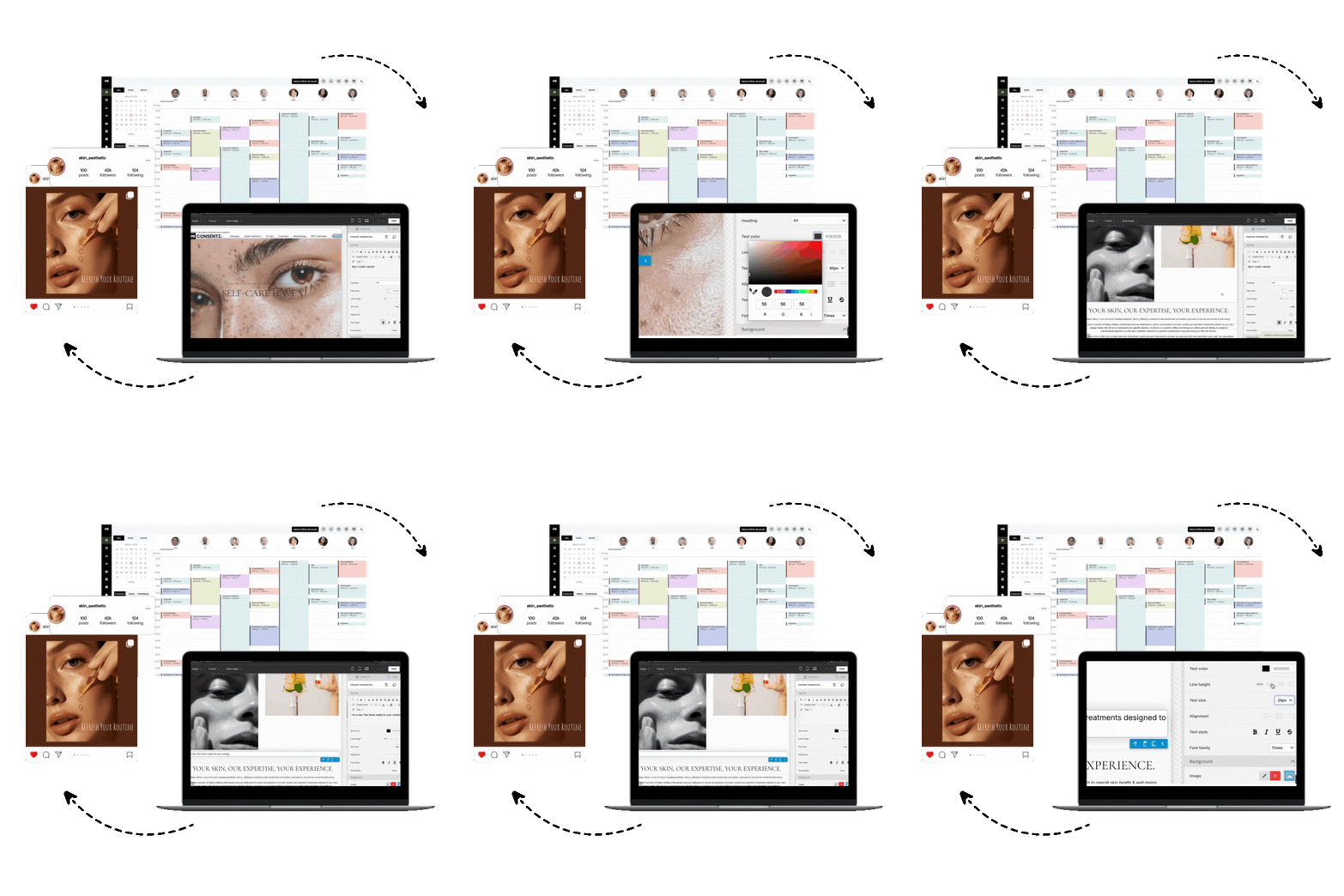
Using a secure, compliant clinic management system is vital. For example, Consentz’s medspa EMR software includes robust security measures, including data encryption and hosting on secure servers, helping you meet your PIPEDA obligations while keeping patient records safe.
Ensuring Laser and Product Safety Compliance
- Laser Devices: Cosmetic lasers are considered medical devices by Health Canada and must have a Medical Device Licence to be legally sold and used in Canada. Always purchase equipment from reputable suppliers and verify it is Health Canada cleared. You must also implement a laser safety program, which includes staff training, using protective eyewear, and posting warning signs.
- Cosmetic Products: If you sell skincare products, you must comply with the Food and Drugs Act and Cosmetic Regulations. This involves notifying Health Canada of the products you sell, ensuring they don’t contain banned ingredients, and using proper bilingual labeling.
Getting the Right Insurance Coverage
Insurance is a non negotiable expense. You will need a combination of policies to protect your business:
- Professional Liability Insurance: Covers claims related to negligence or harm from treatments (malpractice coverage).
- General Liability Insurance: Covers accidents on your premises, like a client slipping and falling.
- Property Insurance: Protects your physical assets, including your expensive equipment, from events like fire or theft.
Opening Your Business Bank Account
Keep your business and personal finances separate by opening a dedicated business bank account. This simplifies bookkeeping, makes tax time easier, and presents a more professional image to clients and suppliers. It is also typically required to set up merchant services for accepting credit and debit card payments.
Building Your Expert Team
Your team is the heart of your med spa. Hiring qualified, professional, and personable staff is essential for delivering excellent results and building a loyal client base.
Staffing Your Clinic with Qualified Practitioners
A typical med spa team includes a Medical Director (physician or NP), clinical staff (like registered nurses or aestheticians) to perform treatments, and administrative staff for the front desk. When hiring, you must rigorously verify all licenses and certifications to ensure everyone is qualified and legally permitted to perform their duties. The Medical Director is key to this entire process, providing the necessary oversight for all medical procedures. If you’re budgeting for this role, see how much to pay a medical director for a med spa.
Investing in Essential Education and Training
The aesthetics field evolves quickly. Practitioners must engage in Continuing Professional Development (CPD) to maintain their licenses and stay current on the latest techniques, technologies, and safety protocols. This includes specialized training for injectables and lasers. While Canada doesn’t license laser operators, comprehensive training is a professional and ethical necessity. Supporting your team’s ongoing education ensures your clinic offers safe, effective, and modern treatments. For clinician career pathways, here’s how to become an aesthetic doctor in Canada.
Launching and Growing Your Med Spa
Once your legal, business, and operational foundations are in place, it’s time to open your doors and attract clients.
Acquiring All Necessary Licenses and Permits
Before you can legally operate, you need all the right paperwork. The BizPaL online service is an invaluable tool provided by Canadian governments. It helps you create a customized list of the permits and licenses required from federal, provincial, and municipal authorities for your specific business and location.
Crafting Your Marketing and Digital Presence Strategy
A strong marketing strategy is essential for attracting your first clients. For organic visibility in your city, start with local SEO for aesthetic clinics. Key components include:
- A Professional Website: This is your digital storefront. It should be user friendly, optimized for search engines (SEO), and clearly detail your services and staff credentials. An all in one platform can help manage this efficiently; for instance, you can get an SEO optimized clinic website from Consentz that integrates seamlessly with your booking and management software (including built-in online booking features).
- Social Media: Platforms like Instagram and Facebook are perfect for visually showcasing your work (with client consent) and engaging with your community.
- Online Reviews: Positive reviews on Google and other platforms build trust. In fact, around 84% of people trust online reviews as much as personal recommendations.
- Digital Advertising: Use targeted Google Ads or social media ads to reach potential clients in your area. Remember to follow all advertising regulations set by medical colleges, which often restrict the use of testimonials or certain types of before and after photos in paid ads.
Navigating the steps for how to open a med spa in Canada is a detailed process, but it’s achievable with careful planning. By focusing on compliance, safety, and a superior client experience, you can build a reputable and profitable business in this exciting industry.
Ready to streamline your operations from day one? Discover how Consentz can manage everything from scheduling to patient records, so you can focus on what you do best.
Frequently Asked Questions About How to Open a Med Spa in Canada
1. Can a non doctor own a med spa in Canada?
Ownership rules vary by province. In some provinces, a non physician can own the business, but it must still have a licensed physician or nurse practitioner serving as a Medical Director to provide the necessary medical oversight for all clinical services.
2. What are the biggest startup costs for a new med spa?
The largest initial expenses are typically high tech equipment (like lasers and body contouring devices), clinic renovations and leasehold improvements, professional liability insurance, and initial product inventory for treatments and retail.
3. What is the most important legal requirement to consider?
Ensuring proper medical oversight by a licensed physician or nurse practitioner is arguably the most critical legal requirement. This professional is responsible for prescribing treatments and supervising the clinical staff, which is the foundation of a compliant and safe med spa.
4. How long does it take to open a med spa in Canada?
The timeline can vary significantly, but it typically takes anywhere from 6 to 18 months. This includes time for business planning, securing financing, finding and renovating a location, obtaining licenses and permits, purchasing equipment, and hiring staff.
5. Do I really need special software for my med spa?
While you could use separate tools, an all in one clinic management software is highly recommended. It helps ensure compliance with privacy laws like PIPEDA, streamlines scheduling and billing, manages inventory, and simplifies clinical documentation, saving you time and reducing errors. A purpose built platform like Consentz can be a huge asset. Here’s how med-spa software boosts bookings.
6. What kind of training do my staff need for injectables?
Injectors must be licensed healthcare professionals (like nurses or doctors). Beyond their basic license, they need specialized, hands on training in aesthetic injections. This training covers facial anatomy, injection techniques, product knowledge, and how to manage potential complications. Always keep records of these certifications.