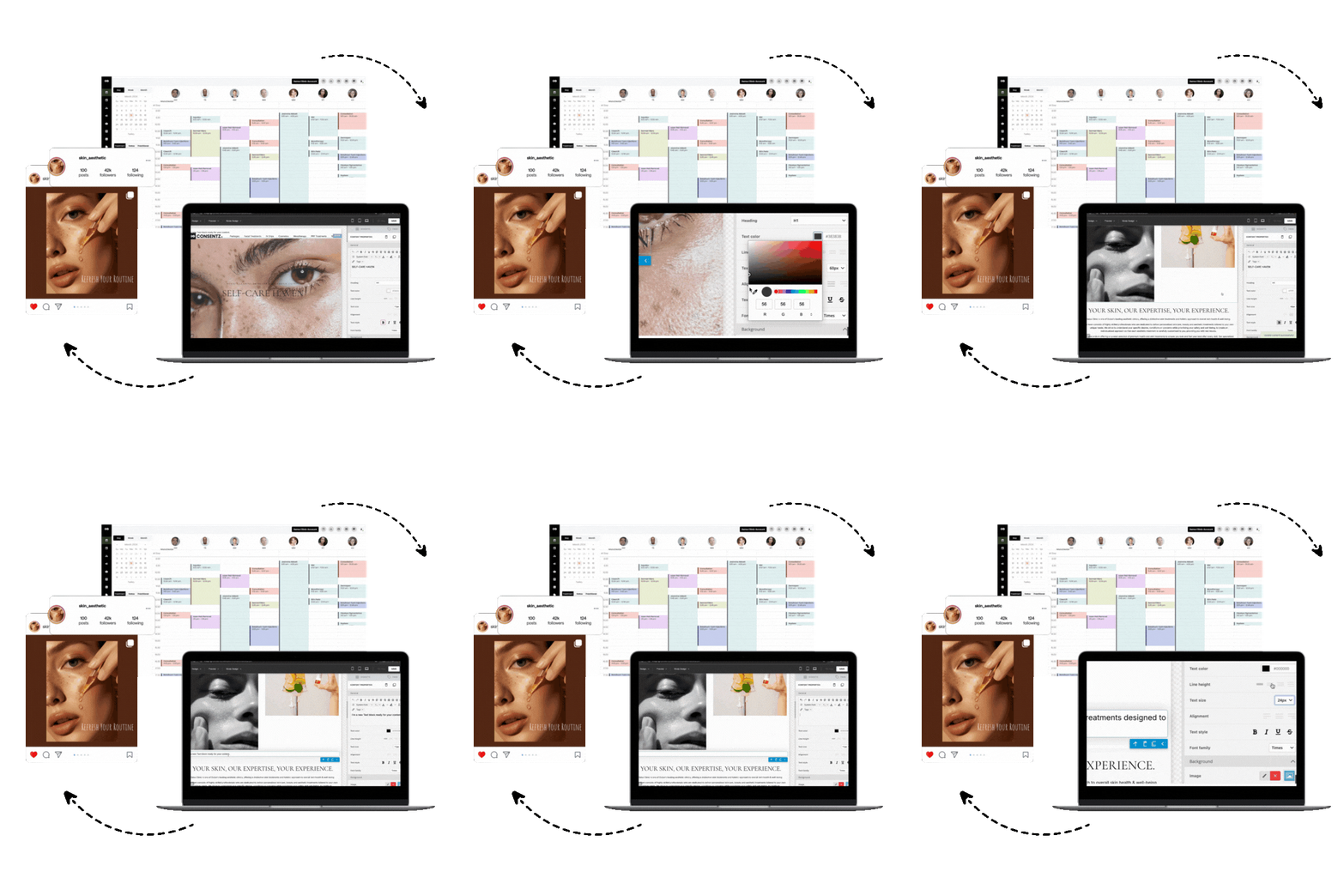
Plastic surgery practices are unique ecosystems. They blend complex medical procedures with a high touch, aesthetically driven patient experience. Relying on generic electronic medical records or, worse, paper files creates workflow friction, compliance risks, and missed growth opportunities. The right plastic surgery EMR software is not just a digital filing cabinet; it is the central nervous system of your clinic, connecting every touchpoint from the initial consultation to the final follow up and beyond. It streamlines operations, secures patient data, and provides the tools you need to build a thriving, efficient practice.
What is a Plastic Surgery EMR (vs a general EMR or EHR)?
A generic Electronic Medical Record (EMR) is designed for general medicine. It handles basic charting, prescriptions, and billing. See our EMR vs EHR vs PHR comparison for definitions. A plastic surgery EMR software, however, is purpose built for the specific workflows of aesthetic and reconstructive medicine. It understands the journey of a cosmetic patient.
These specialized systems go far beyond standard charting to include tools for:
Visual Documentation: Advanced modules for capturing, comparing, and annotating before and after photos.
Consent Management: Procedure specific consent forms with digital signature capture and secure audit trails.
Complex Quoting & Billing: Handling cosmetic procedure packages, prepaid courses of treatment, and inventory tracking for products and injectables like botulinum toxin.
Marketing and Patient Nurturing: Integrated CRM features to manage leads and automate patient communication.
While a general EHR (Electronic Health Record) focuses broadly on a patient’s total health history, a dedicated plastic surgery EMR provides the focused tools needed for the day to day operations and growth of an aesthetic practice.
Benefits for Plastic Surgeons and Patients
Adopting a specialized plastic surgery EMR software delivers powerful benefits for everyone involved. It moves your practice from administrative chaos to streamlined efficiency.
For the Practice
Enhanced Efficiency: Automating reminders reduces no shows, while digital intake forms save valuable time for staff and patients. Platforms built by aesthetic doctors often include preset note templates for common procedures, speeding up documentation.
Improved Compliance and Security: Robust systems provide a clear audit trail for all records (why your clinic’s records must be bulletproof). With features like a no deletion once archived policy, practices can better protect themselves from medico legal claims. Hosting on secure platforms like AWS and adhering to standards like ISO 27001:2013 adds another layer of trust.
Increased Revenue: Integrated marketing tools, such as automated email campaigns and review requests, help nurture leads and retain existing patients. A streamlined point of sale system, often accessible right from an iPad in the treatment room, makes billing seamless. An all in one system like Consentz integrates these features to help you grow.
For the Patient
Better Communication: Patients receive timely appointment reminders, educational materials, and follow up messages automatically.
Professional Experience: Digital consent forms, clear treatment plans, and a branded patient portal create a modern, trustworthy experience.
Data Security: Patients can be confident their sensitive photos and personal information are encrypted and stored securely.
Key Features to Look For in Plastic Surgery EMR Software
When you evaluate a plastic surgery EMR software, certain features are non negotiable for a busy aesthetic practice. Look for a solution that consolidates your tools into one cohesive platform and supports modern patient expectations.
Clinical Photography and Visualization: This is more than just a photo upload. Look for ghosting features to perfectly align before and after images, markup tools to highlight areas, and privacy flags for sensitive photos. Advanced systems may even offer aesthetic outcome assessment tools or 3D visualization to help set patient expectations.
Robust Consent Management: The system should have a library of customizable, procedure specific consent forms. Digital signature capture on a device like an iPad is essential for a modern, paperless workflow.
Intelligent Scheduling with Online Booking: A good calendar can manage multiple practitioners, rooms, and even specific equipment. It should also include a patient facing online booking portal that integrates directly with your website. Features like a waitlist, automated reminders, and drag and drop changes are crucial for maximizing bookings. Compare options in our 10 best clinic scheduling software for growth guide.
Telemedicine Capabilities: The ability to conduct secure video consultations directly within the EMR platform is now a critical feature. This allows for convenient follow ups, initial consultations, and pre screening appointments, expanding your practice’s reach.
Aesthetics Focused Billing and Inventory: The software must handle package pricing, prepaid courses, and gift cards. Critically, it needs inventory management with batch number tracking for products like dermal fillers and toxins. For practices that handle insurance, look for the ability to manage CPT and ICD 10 codes for billing. For deeper evaluation, read our Guide to clinic billing software for aesthetics clinics.
Integrated Marketing and CRM: Built in tools for email and SMS campaigns, lead management pipelines, and automated review requests eliminate the need for separate, disconnected marketing software. See the best CRM software for cosmetic clinics roundup.
E-Prescribing and Clinical Workflow: An integrated e-prescribing module allows you to send prescriptions directly to pharmacies, improving patient safety and saving time. Features like speech to text dictation can also dramatically speed up clinical note taking.
Patient Education Tools: Look for systems that allow you to create and share educational materials, such as procedure videos or aftercare instructions, directly with patients through a portal. An informed patient is more confident and satisfied.
Actionable Analytics: A powerful dashboard should provide real time key performance indicators (KPIs) on patient retention, revenue per visit, and booking trends, helping you make data driven decisions.
Buying Criteria and Evaluation Checklist
Choosing the right plastic surgery EMR software is a significant decision. Use this checklist to guide your evaluation and ensure you find a partner for growth, not just a software vendor.
Specialty Specific Design: Was the software built from the ground up for aesthetics and plastic surgery? General EMRs retrofitted for aesthetics often miss key workflows.
Platform and Accessibility: Does it offer a dedicated iPad app for chairside use? Is the back office control center accessible from any web browser?
Security and Compliance: Does the vendor clearly state their security posture? Look for details on encryption (like SSL or AES 256), hosting infrastructure (like AWS), and any relevant certifications. For US practices, confirming HIPAA compliance and the availability of a Business Associate Agreement (BAA) is essential. Review our overview of aesthetic clinic software in the USA.
Integration Ecosystem: Can it connect with the tools you already use? Key integrations include payment processors like Stripe, accounting software like Xero, and communication platforms like Twilio. Ask about its ability to connect with lab and imaging systems for a truly unified patient record.
Training and Support: What kind of onboarding and ongoing support is offered? Look for an integrated help academy, responsive customer service, and clear documentation.
Scalability and Pricing: Will the software grow with you? Understand the pricing model, whether it is per user or per location, and ensure there are no hidden fees. Always request a personalized demo to see the software in action.
Top 5 Plastic Surgery EMR Software
Having outlined the crucial features and considerations for selecting an EMR, we now turn to the leading solutions available for plastic surgery practices. The following five software options have been carefully selected based on their specialty specific features, user reviews, and overall ability to streamline the unique workflow of a plastic surgery clinic. This curated list will help you compare the top contenders and identify the platform that best aligns with your practice’s needs and goals.
1. Consentz
Built for aesthetics driven teams, Consentz brings an iPad first rhythm to daily clinic life. Chart at chairside, capture crystal clear photos, pull in consent forms, and glide straight into scheduling, billing, inventory, analytics, and patient engagement, all from a secure cloud backbone.
Best for & key strengths
Aesthetics led practices wanting an elegant, photo centric, iPad workflow.
High resolution imaging with drawing tools and before and after ghosting to standardize outcomes.
Digital consents with a tamper resistant audit trail plus built in patient CRM and marketing tools.
Inventory with batch tracking and multi resource scheduling to orchestrate busy days.
What to consider
Surgical or OR templates are lighter; vet depth for reconstructive workflows.
U.S. buyers should confirm HIPAA BAA availability and UK based support coverage.
Pricing, deployment & compliance
Custom quoted SaaS delivered via the Consentz iPad app and web Control Centre; free trial available. Cloud hosted with ISO 27001 controls; confirm HIPAA or BAA terms if operating in the U.S.
2. ModMed EMR
Purpose built for plastic and reconstructive surgery, ModMed pairs an iPad native EHR (EMA) with specialty templates, rich photo management, digital consents, scheduling, billing or RCM, inventory, analytics, and patient engagement, delivering a unified, mobile forward experience from consult to follow up.
Best for & key strengths
Solo to multi location plastic surgery groups that favor iPad first charting.
Deep visual documentation with integrated photography, drawing, and before and after controls.
Streamlined consents, patient marketing, and inventory tied seamlessly to billing or RCM and analytics.
Broad interoperability and add ons to scale across complex workflows.
What to consider
Teams used to keyboard or desktop may face an iPad learning curve.
Confirm photo storage limits and analytics depth match reporting needs.
Pricing, deployment & compliance
Subscription pricing by custom quote with optional modules; free demo offered. Cloud hosted with native iPad, mobile, and browser access; ONC certified and HIPAA compliant.
3. Nextech EMR
Nextech wraps plastic surgery specific charting and operative templates with integrated photos, consents, scheduling, billing or RCM, inventory, analytics, and patient engagement, augmented by tight TouchMD integration for polished before and afters across desktop, iPad, and mobile.
Best for & key strengths
Solo to multi location plastic surgery and aesthetics organizations.
TouchMD powered photography or drawing and before and after management that aligns to surgical steps.
Digital consents with CRM or marketing and inventory with lot tracking.
Unified billing or RCM, advanced analytics, and a robust integration ecosystem.
What to consider
Advanced Analytics and CRM may require separate licensing.
Clarify imaging storage caps and potential overage fees.
Pricing, deployment & compliance
Quote based subscription with demos on request. Cloud deployment with native iPad or mobile; HIPAA compliant and includes a standard BAA.
4. Symplast
Created by plastic surgeons, Symplast leans into mobile. AI assisted charting, photo or imaging controls, digital consents, scheduling, billing or RCM, inventory, analytics, and a patient app come together in a cloud platform that travels effortlessly from consult room to OR.
Best for & key strengths
Solo to multi location plastic surgery and med spa teams wanting mobile first agility.
Powerful mobile photography or drawing and before and after workflows.
Patient retention via app, CRM, and marketing automation baked into daily operations.
Inventory with lot tracking, integrated RCM, analytics, and key third party integrations.
What to consider
Mobile first workflows can require retraining for desktop centric staff.
Test image handling speed or storage, reporting depth, and API access during demos.
Pricing, deployment & compliance
Custom pricing on consultation. Cloud hosted with web, iOS, and Android access; HIPAA compliant, with demos available.
5. PatientNow
PatientNow unifies EMR, scheduling, RxPhoto imaging, digital consents, billing or RCM, inventory, analytics, and patient engagement or CRM, giving plastic and aesthetic surgery practices a single system that spans marketing to outcomes with cloud services and a mature Windows client.
Best for & key strengths
Multi provider, multi location practices that need end to end control.
RxPhoto delivers consistent before and afters; consents include auditable trails.
POS ready inventory, integrated billing or RCM, and detailed analytics dashboards.
Marketing automation and CRM to nurture leads into booked cases.
What to consider
Primary client is Windows based; Mac users may need workarounds.
Broad feature set comes with a notable learning curve.
Pricing, deployment & compliance
Quote based packages. Cloud hosted on AWS with Windows client and iOS apps; HIPAA compliant with BAA provided.
Implementation, Data Migration, and Training
The transition to a new plastic surgery EMR software is a critical project, but a good provider will guide you through a structured process. A typical implementation involves data migration, hardware setup, and comprehensive team training.
When evaluating vendors, ask specifically about their data migration process and timeline. A reliable partner will help you securely transfer existing patient demographics, appointment histories, and clinical notes from your old system. The implementation timeline can vary from a few weeks to several months depending on the complexity of your data and practice workflows.
Look for a partner that provides a clear onboarding plan. This should include configuring your treatment lists, consent forms, and user permissions. The best platforms offer a comprehensive knowledge base or an “Academy” section directly within the software, allowing your team to learn at their own pace. Ongoing support is equally important. Ensure the provider offers accessible support channels (email, phone, or chat) to resolve any issues quickly.
Conclusion: EMR Benefits for Plastic and Reconstructive Practices
In today’s competitive landscape, running a plastic surgery practice on outdated systems is no longer viable. The right plastic surgery EMR software is an investment that pays dividends in efficiency, patient satisfaction, and profitability. It replaces paperwork and fragmented tools with a single, unified system that empowers your team to deliver exceptional care.
By automating administrative tasks, securing patient data, and providing powerful marketing tools, a specialized EMR frees you to focus on what truly matters: building great patient relationships and achieving outstanding clinical outcomes.
Ready to see how an all in one platform can transform your clinic? Learn how Consentz can streamline your practice.
Frequently Asked Questions About Plastic Surgery EMR Software
What is the difference between an EMR and a practice management system?
An EMR (Electronic Medical Record) focuses on clinical data like patient charts, treatment notes, and photos. A Practice Management System (PMS) handles the business side, including scheduling, billing, and reporting. Modern plastic surgery EMR software solutions, like Consentz, combine both EMR and PMS functionalities into a single, integrated platform.
Is plastic surgery EMR software HIPAA compliant?
Reputable plastic surgery EMR software providers serving the US market must be HIPAA compliant. This involves technical safeguards like encryption, access controls, and secure hosting. Always verify that the vendor will sign a Business Associate Agreement (BAA) with your practice.
How much does plastic surgery EMR software cost?
Pricing is typically based on a monthly subscription model (SaaS). Costs can vary widely depending on the number of practitioners, locations, and included features. Some providers may have a starting fee around £49 or $79 per month, with costs increasing for more advanced modules.
Can EMR software handle before and after photos securely?
Yes, a key feature of any quality plastic surgery EMR software is a secure, robust clinical photography module. These systems are designed to store high resolution images, often with tools for comparison, annotation, and flagging sensitive photos to restrict access, all within a compliant environment.
How can EMR software help with marketing my practice?
Many modern EMR platforms include a built in CRM and marketing automation suite. This allows you to create email and SMS campaigns, manage a sales pipeline for new leads, and automatically send out requests for patient reviews, helping you attract and retain more patients without needing separate software.