Becoming an aesthetic nurse practitioner is an exciting journey that merges the precision of advanced nursing with the art of cosmetic medicine. It’s a career path that requires dedication, education, and a passion for helping people feel their best. To become an aesthetic nurse practitioner in the USA, you must first become a Registered Nurse, then earn a graduate degree like an MSN or DNP to become a certified nurse practitioner, and finally complete specialized hands-on training in cosmetic procedures. This comprehensive guide breaks down every step, from earning your first nursing degree to potentially opening your own med spa.
What Is an Aesthetic Nurse Practitioner?
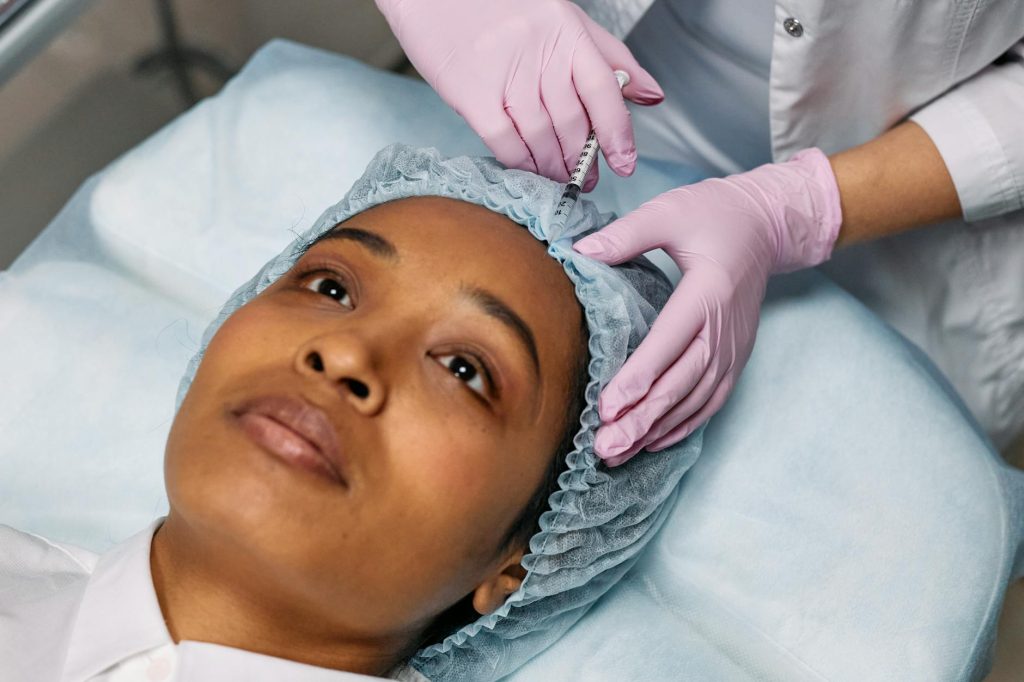
An aesthetic nurse practitioner, sometimes called a cosmetic NP, is an Advanced Practice Registered Nurse (APRN) who specializes in non surgical cosmetic treatments. These medical professionals perform popular procedures like Botox injections, dermal fillers, laser skin resurfacing, and chemical peels. They blend deep medical knowledge with a keen artistic eye to enhance patient appearance, boost confidence, and promote wellbeing through personalized care.
The field is not only rewarding but also growing rapidly. Overall employment for nurse practitioners is projected to grow about 40% between 2023 and 2033, which is much faster than average. Aesthetic NPs are well compensated for their specialized skills, with average salaries often ranging from $95,000 to $135,000 annually. It’s no surprise that U.S. News & World Report ranked “Nurse Practitioner” as the #1 Best Job in America for 2024.
The Complete Pathway: How to Become an Aesthetic Nurse Practitioner in USA
The road to becoming an aesthetic NP is a structured process involving education, licensure, and specialized training. Let’s walk through the key milestones.
Step 1: Earn Your Registered Nurse (RN) Degree (ADN or BSN)
Your journey begins with becoming a Registered Nurse (RN). You have two primary degree options:
- Associate Degree in Nursing (ADN): A two to three year program that provides the core clinical skills to become an RN.
- Bachelor of Science in Nursing (BSN): A four year university degree that includes a broader education in research, leadership, and public health.
While both paths lead to RN licensure, a BSN is increasingly preferred and often required for admission into graduate NP programs. In a recent survey, 71.7% of healthcare employers expressed a strong preference for BSN graduates, with another 27.7% making it a requirement for new hires.
Step 2: Pass the NCLEX RN Exam
After graduating from your nursing program, you must pass the National Council Licensure Examination for Registered Nurses, known as the NCLEX RN. This computer adaptive test is the gatekeeper to professional practice, ensuring you have the essential knowledge to provide safe patient care. Passing this exam is mandatory in every state to earn your RN license. In 2022, the pass rate for first time, U.S. educated candidates was approximately 79.9%.
Step 3: Gain Relevant RN Clinical Experience
While not a formal requirement for every NP program, gaining one to three years of hands on clinical experience as an RN is highly recommended. Aspiring aesthetic NPs benefit enormously from working in dermatology, plastic surgery, or a medical spa. This experience provides invaluable exposure to:
- Cosmetic procedures and patient consultations.
- Preoperative and postoperative care for aesthetic treatments.
- Skin anatomy and common dermatological conditions.
- Building a professional network of mentors and potential employers.
This practical foundation makes the transition into an advanced aesthetic role much smoother.
Step 4: Earn a Graduate Degree (MSN or DNP)
To become a nurse practitioner, you must earn a graduate degree. This is the step that elevates you to an advanced practice provider. Your options are:
- Master of Science in Nursing (MSN): The traditional pathway, typically a two to three year program focused on advanced clinical skills in a specific specialty (like Family Nurse Practitioner).
- Doctor of Nursing Practice (DNP): A terminal practice doctorate that includes all the clinical training of an MSN plus additional coursework in leadership, healthcare policy, and evidence based practice implementation.
Both degrees will qualify you to sit for the national NP certification exam. The choice between an MSN and DNP often depends on your long term career goals, such as leadership, education, or practice ownership.
Step 5: Obtain NP Certification and State Licensure
After completing your graduate program, you must pass a national board certification exam in your chosen specialty. Most aesthetic NPs pursue certification as a Family Nurse Practitioner (FNP) or an Adult Gerontology Nurse Practitioner (AGNP) because of their broad scope. Certifying bodies like the American Nurses Credentialing Center (ANCC) or the American Academy of Nurse Practitioners (AANP) administer these exams.
Once you are nationally certified, you can apply for your state license to practice as an APRN. This license is the legal authority that allows you to assess patients, diagnose conditions, and prescribe treatments.
Step 6: Complete Specialized Aesthetic Training
Your NP program provides a broad medical foundation, but it won’t teach you the specific art of injecting Botox or operating a laser. You must complete specialized aesthetic training through workshops, certificate courses, and preceptorships. This is where you learn the hands on skills for popular treatments, including:
- Neurotoxin (Botox, Dysport) injections
- Dermal filler injections
- Laser and light based therapies
- Chemical peels and microneedling
- Advanced facial anatomy and safety protocols
The demand for these procedures is immense. In 2019 alone, Americans underwent approximately 7.69 million Botox procedures and 2.72 million dermal filler procedures. Proper training is crucial to delivering safe and beautiful results.
Step 7: Pursue Advanced Aesthetic Certifications (CANS or DCNP)
While not mandatory, earning a specialty certification can validate your expertise and make you stand out. The two gold standard credentials are:
- Certified Aesthetic Nurse Specialist (CANS): Requires at least two years of experience in a relevant specialty and passing a rigorous exam covering nonsurgical aesthetics and plastic surgical nursing.
- Dermatology Certified Nurse Practitioner (DCNP): For NPs with significant experience in dermatology (often around 3,000 hours), this certification covers the full spectrum of medical and cosmetic dermatology.
These certifications demonstrate a deep commitment to the specialty and are highly respected by employers and patients.
Navigating Your Career as an Aesthetic NP
Becoming a licensed and certified aesthetic NP is just the beginning. To thrive, you need to understand the professional landscape and continuously hone your skills.
Understanding State Practice Authority and Supervision Rules
An NP’s ability to practice independently is determined by state law. There are three general categories:
- Full Practice Authority: NPs can operate their own clinics and provide patient care without physician supervision. As of 2025, 34 states and Washington, DC, allow full practice authority.
- Reduced Practice: NPs must have a collaborative agreement with a physician for certain aspects of patient care.
- Restricted Practice: NPs require direct physician supervision for most or all clinical duties.
These rules are critical, especially if your goal is to open an independent practice. Always check the current regulations in your state, as laws are frequently updated. If your state requires physician oversight, clarify your medical director’s responsibilities.
Developing Essential Clinical and Communication Skills
Success in aesthetics depends on more than just technical ability. Top practitioners possess a unique blend of clinical and soft skills. This includes a sharp attention to detail, strong clinical judgment for creating treatment plans, and the dexterity for precise injections. Just as important are communication skills. You must be able to listen with empathy, manage patient expectations, explain complex procedures clearly, and build trusting relationships.
The Power of Networking and Mentorship
The aesthetics community is collaborative. Building a strong professional network by attending conferences and joining organizations like the International Society of Plastic and Aesthetic Nurses (ISPAN) can lead to job opportunities and invaluable peer support. Finding a mentor, an experienced practitioner who can guide you, is one of the best ways to accelerate your learning curve and build confidence in this specialized field.
From Clinician to Owner: Opening Your Own Aesthetic Practice
For many, the ultimate goal of becoming an aesthetic nurse practitioner in USA is entrepreneurship. Before you launch, confirm your medical spa licensing requirements. Opening your own medical spa or cosmetic clinic can be incredibly rewarding, but it requires a solid business plan. To gauge viability, review med spa profitability benchmarks and strategies. You’ll need to manage startup costs, navigate legal regulations, and develop a strong marketing strategy. For a detailed breakdown of how much it costs to open a med spa, review our cost guide.
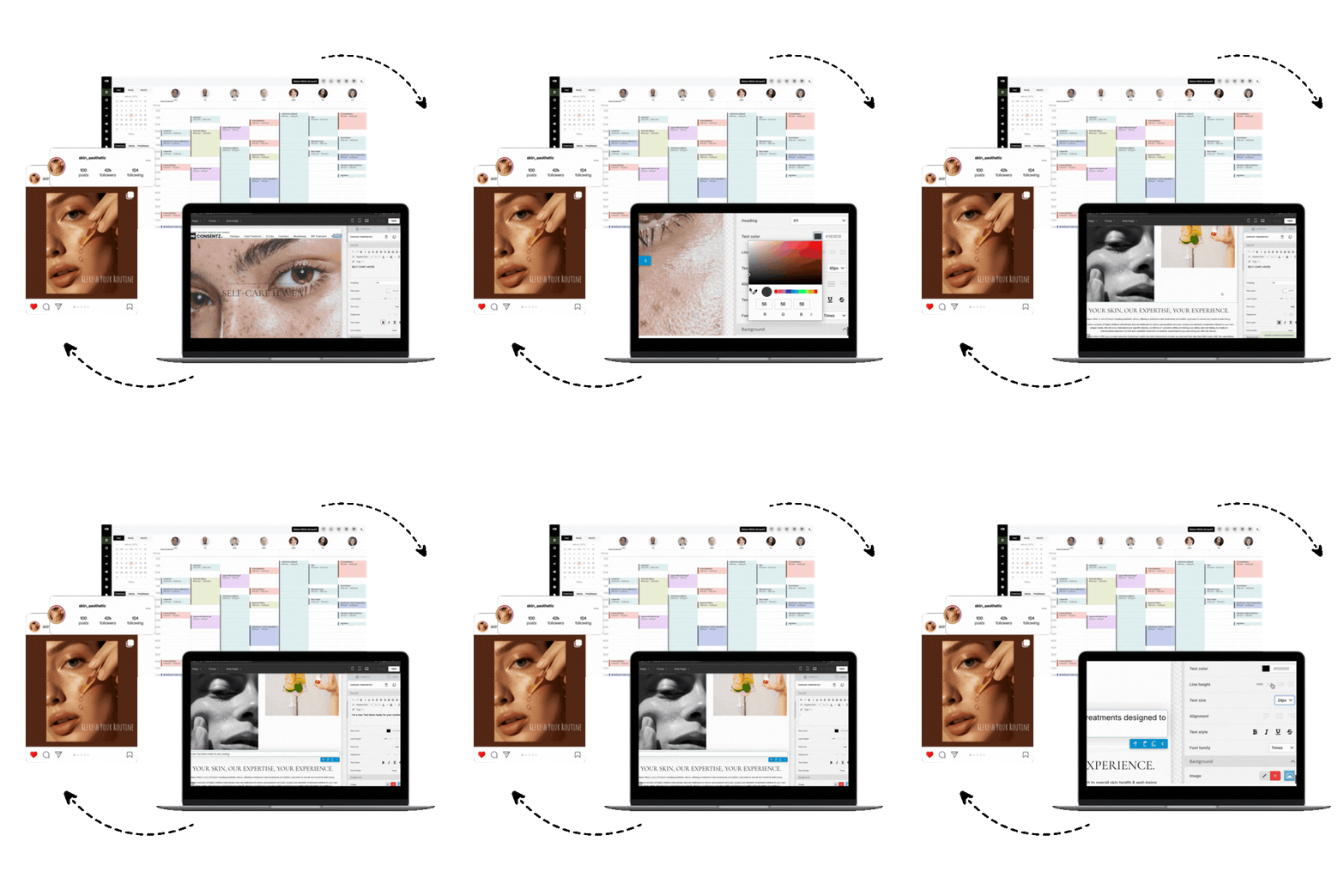
The operational side of a practice involves juggling patient scheduling, detailed medical records, and securing informed consent for every procedure. This administrative workload can be significant. To maintain efficiency and a seamless client experience, many modern aesthetic clinics use specialized practice management software. For instance, a platform like Consentz is designed specifically for the aesthetics industry, helping you manage everything from appointments to digital consent forms in one place. By automating these tasks, you can focus on what you do best: providing exceptional patient care. A well managed practice is key to retaining clients, a crucial factor for long term success. Smart tools not only improve your workflow but also enhance the professional experience you provide to every client. For U.S.-based clinics, ensure your platform is HIPAA-compliant.
Timeline: How Long Does It Take to Become an Aesthetic Nurse Practitioner?
The timeline can vary based on your educational path and personal pace. Here is a general estimate:
| Step | Typical Duration |
|---|---|
| BSN Degree | 4 years |
| RN Clinical Experience | 1 to 3 years |
| MSN or DNP Degree | 2 to 4 years |
| Total Estimated Time | 7 to 11 years |
This timeline represents a significant commitment, but it leads to a highly skilled and autonomous role in a thriving industry.
Frequently Asked Questions about Becoming an Aesthetic Nurse Practitioner
What is the fastest way to become an aesthetic nurse practitioner?
The fastest path is typically a BSN program followed immediately by a BSN to DNP or MSN program, while gaining some part time or summer experience as an RN. However, rushing is not recommended. Gaining solid clinical experience as an RN is crucial for building a strong foundation.
Can I become an aesthetic nurse practitioner with an online degree?
Yes, many reputable universities offer hybrid or online MSN and DNP programs. These programs combine online coursework with in person clinical rotation requirements that you complete in your local area. The core education is just as rigorous as a traditional program.
What is the difference between an aesthetic nurse and an aesthetic nurse practitioner?
An aesthetic nurse is a Registered Nurse (RN) who works in aesthetics, often assisting with procedures or performing treatments like laser hair removal under supervision. An aesthetic nurse practitioner is an Advanced Practice Registered Nurse (APRN) who can independently assess, diagnose, and treat patients, as well as prescribe medications, according to their state’s practice authority.
How much does it cost to become an aesthetic nurse practitioner?
Costs vary widely. You must account for tuition for your BSN and graduate degrees (which can range from $40,000 to over $100,000), exam fees, licensure fees, and the cost of specialized aesthetic training courses, which can be several thousand dollars each.
Do I need a business degree to open my own aesthetic practice?
No, a business degree is not required. However, you will need strong business acumen. Many NPs learn by doing, seeking advice from mentors, or hiring consultants. Using comprehensive practice management tools can also simplify the business side of things, making it easier to manage operations and grow your clinic. Platforms like Consentz are built to give aesthetic practitioners the tools they need for success.