Thinking about a career in aesthetic medicine? You’re tapping into a thriving and rewarding field that combines the precision of medicine with the art of beauty. The journey of how to become an aesthetic doctor in USA is a detailed one, requiring a solid medical foundation, specialized training, and a sharp business sense. This guide breaks down the complete path, from earning your medical degree to opening your own successful practice.
The Foundational Medical Journey
Before you can master injectables or lasers, you must first become a licensed physician. This is the bedrock of your entire career in aesthetic medicine.
1. Earn Your Medical Degree (MD or DO)
The first step on your path is graduating from medical school. In the United States, this means earning either a Doctor of Medicine (MD) or a Doctor of Osteopathic Medicine (DO) degree. Both are four year postgraduate programs that qualify you for full physician licensure.
While MD programs have a traditional allopathic focus, DO programs include extra training in osteopathic manipulative medicine for a more holistic approach. However, for the purposes of a career in aesthetics, both degrees are equally respected. Graduates from both MD and DO programs take licensing exams (the USMLE or COMLEX), can enter the same residency programs, and provide the same high level of care. With nearly 30% of all U.S. medical students now enrolled in DO programs, the distinction in the professional world has become minimal.
2. Choose a Core Residency (Dermatology or Plastic Surgery)
After medical school, you’ll enter a postgraduate residency program. For those aiming for the pinnacle of aesthetic medicine, the most direct routes are residencies in dermatology or plastic surgery.
- Dermatology Residency: This is a four year program (one internship year plus three dermatology years) focused on the skin, hair, and nails. It provides a deep foundation in both medical and cosmetic dermatology, including training in lasers, chemical peels, and injectables.
- Plastic Surgery Residency: This is the ideal path for aspiring cosmetic surgeons. An integrated program is typically six years long and provides comprehensive training in surgical and nonsurgical procedures for the face and body.
Be prepared for intense competition. These are two of the most sought after specialties. For instance, in one recent match cycle, integrated plastic surgery was the most competitive residency, with about 1.7 applicants for every available position. A stellar academic record is a must.
3. The Pathway for International Medical Graduates (IMGs)
If you earned your medical degree outside of the U.S. or Canada, your journey has a few extra, crucial steps. The pathway for an International Medical Graduate (IMG) requires persistence and planning.
First, you must obtain certification from the Educational Commission for Foreign Medical Graduates (ECFMG). This involves verifying your medical school credentials and passing the United States Medical Licensing Examination (USMLE) Step 1 and Step 2.
After securing ECFMG certification, you can apply for U.S. residency programs through the national match. While matching directly into dermatology or plastic surgery is exceptionally difficult for IMGs, many find success by matching into other fields like internal medicine or family medicine first. From there, they build their aesthetic skills through fellowships and specialized training. It’s a challenging road, but achievable; in fact, IMGs make up about 25% of all practicing physicians in the United States.
Advanced Training and Specialization
With your core medical training complete, the next phase is to hone your skills specifically for the world of aesthetics.
4. Complete an Aesthetic Fellowship
While not mandatory, a one year aesthetic or cosmetic surgery fellowship is an excellent way to elevate your expertise. This post residency training provides intensive, hands on experience in a wide range of cosmetic procedures, often far beyond what’s covered in residency. A typical cosmetic surgery fellowship will have you perform or assist on at least 125 procedures, giving you the confidence and skill to handle complex cases.
5. Pursue AAAM Certification (Level 1 to 3)
For physicians coming from specialties other than dermatology or plastic surgery, the American Academy of Aesthetic Medicine (AAAM) offers a structured training pathway. This globally recognized program is a popular way to gain credentials.
- Level 1 (Certificate): A hands on introductory course covering the fundamentals of Botox, fillers, chemical peels, and lasers.
- Level 2 (Diploma): An advanced course that dives deeper into techniques like thread lifts and body contouring.
- Level 3 (Board Certification): An examination that confers the title of Board Certified in Aesthetic Medicine by the AAAM.
The AAAM has trained over 20,000 physicians worldwide, making its certification a respected credential in the industry.
6. Pursue Board Certification in Aesthetic Medicine
Board certification is the ultimate mark of expertise. In aesthetics, this can mean a couple of things. The most recognized certifications are from the American Board of Medical Specialties (ABMS), such as being certified by the American Board of Plastic Surgery or the American Board of Dermatology.
Additionally, organizations like the American Board of Cosmetic Surgery (ABCS) offer certification specifically in cosmetic surgery. This requires completing a dedicated fellowship and passing rigorous exams, signaling a high level of specialized training.
7. Secure Mentorship and Hands On Training
Textbooks and lectures can only teach you so much. Aesthetic medicine is a hands on field where nuances are learned through practice and guidance. Seek out a mentor, an experienced aesthetic doctor who can guide your development, offer advice, and provide opportunities to observe and assist in procedures. This relationship can accelerate your learning curve and help you avoid common pitfalls.
Mastering Core Aesthetic Procedures
A successful aesthetic doctor has a versatile skill set. Gaining proficiency in the most popular treatments is essential for building your practice.
8. Train in Injectables (Botox and Filler)
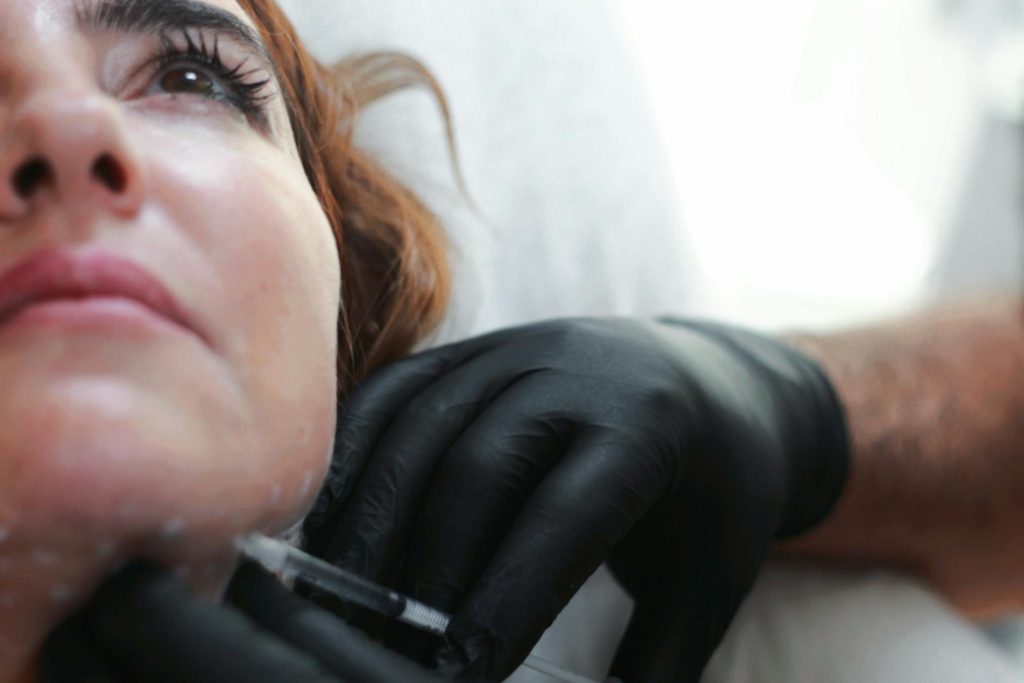
Botox and dermal fillers are the most popular nonsurgical cosmetic treatments in the world. Proper injectable training is non negotiable. A good course will cover:
- Detailed facial anatomy to ensure safe injection sites.
- Different products, their properties, and ideal uses.
- Injection techniques for natural looking results.
- How to prevent and manage potential complications.
9. Train in Laser and Energy Based Devices
From hair removal to skin resurfacing, lasers and other energy based devices are cornerstones of a modern aesthetic practice. Training in this area involves understanding laser physics, tissue interaction, and strict safety protocols. You must learn how to select the right device and settings for each patient’s skin type and concern to deliver effective results while minimizing risks like burns or pigmentation issues.
10. Learn Chemical Peel and PRP Techniques
Chemical peels and Platelet Rich Plasma (PRP) treatments are two more valuable skills to add to your portfolio.
- Chemical Peel Training: This involves learning about different peel depths (superficial, medium, and deep), selecting the right chemical agent, and managing pre peel and post peel care to ensure optimal results and safety.
- PRP Technique Training: This teaches you how to draw a patient’s blood, process it in a centrifuge to concentrate the platelets, and reinject it for indications like hair restoration or skin rejuvenation, often called a “vampire facial.”
11. Differentiate Medical vs. Non Medical Aesthetics
It’s vital to understand the line between medical and non medical aesthetics. As a physician, you perform medical procedures that affect living tissue, such as injections, laser treatments, and deep chemical peels. These services must be performed in a medical setting under a physician’s license.
Non medical aesthetics includes services like facials, superficial exfoliation, and makeup application, which are typically performed by licensed estheticians. Knowing this distinction is key to defining your services and ensuring your practice operates legally.
Building and Running Your Practice
Becoming a great clinician is only half the battle. To succeed, you also need to be a savvy business owner. The journey of how to become an aesthetic doctor in USA culminates in creating a practice that is both clinically excellent and commercially successful.
12. Understand State Licensing and Scope of Practice
In the U.S., medicine is regulated at the state level. Each state has its own medical board with specific rules about who can perform which procedures. Before you open your doors, you must have a medical license in that state and thoroughly understand its regulations regarding supervision, delegation, and scope of practice for nurses and other staff. If you’re planning a med spa, review what license you need to open a medical spa to ensure your model is compliant.
13. Obtain Malpractice Insurance
Malpractice insurance is an absolute necessity. Aesthetic procedures are elective, and patient expectations can be high, creating liability risk. This insurance protects your personal assets and your practice from the potentially devastating costs of a lawsuit. Fortunately, coverage for nonsurgical aesthetics is often quite affordable, with average annual premiums around $744 for many practitioners.
14. Meet Business and State Licensing Requirements
Running a medical spa is more complex than running a standard salon. You must adhere to specific legal and regulatory requirements.
- Business Structure: You’ll likely need to form a professional corporation (PC) or professional LLC (PLLC), as many states have laws prohibiting non physicians from owning medical practices.
- HIPAA Compliance: You must protect patient privacy according to federal HIPAA regulations. Using HIPAA-compliant medical spa software can help secure medical records, photos, and personal information.
- Safety Protocols: Your clinic must meet OSHA standards for workplace safety, including proper handling of needles and other biomedical waste.
Managing these administrative tasks can be overwhelming, but modern software can help. Using a dedicated clinic management platform can help you stay organized and compliant. For example, a system like Consentz provides secure, cloud based storage for patient records and consent forms, which is a huge help in meeting regulatory requirements. Learn why maintaining tamper‑proof documentation matters in our guide on why your clinic’s records must be bulletproof.
15. Build and Market Your Aesthetic Practice
The medical aesthetics market is booming and projected to reach nearly $50 billion globally by 2030. To capture your share, you need a strong brand and a smart marketing strategy.
- Create a Professional Website: Your website is your digital storefront. It should showcase your services, feature before and after photos, and make it easy for patients to book appointments. Explore medical website templates that convert and reflect your brand.
- Leverage Social Media: Platforms like Instagram are perfect for visual fields like aesthetics. Share educational content and results to build trust and attract followers. Support it with advanced local SEO strategies for medical spas.
- Encourage Reviews: Positive online reviews on Google and other platforms are powerful social proof.
- Focus on Patient Experience: Happy patients who get great results become your best marketers through word of mouth referrals. For quick wins you can implement this month, see our medical spa marketing ideas.
A seamless patient journey from first contact to follow up is key. An all in one business system can make this much easier. You can book a demo with Consentz to see how an integrated platform can manage scheduling (see our medical scheduling software buyer’s guide), marketing, and patient communications to help grow your practice.
A Career of Lifelong Growth
Your education doesn’t end when you open your practice. The best aesthetic doctors are committed to continuous improvement.
16. Complete Continuing Medical Education (CME)
Aesthetic medicine evolves rapidly, with new technologies and techniques emerging all the time. To maintain your medical license and stay at the top of your field, you must complete Continuing Medical Education (CME) credits. Most states require physicians to complete 25 to 50 hours of CME each year to stay current on the latest best practices and safety standards. As you modernize your workflows, review our practice management and EHR guide to choose the right digital backbone for your clinic.
17. Follow a Physician Action Plan
The path of how to become an aesthetic doctor in USA is long and has many components. A physician action plan is your personal roadmap. It’s a document where you outline your career goals, training milestones, and business development steps with a clear timeline. This plan will keep you focused and organized as you navigate each stage of your journey, from residency applications to marketing your new clinic.
Frequently Asked Questions
1. How long does it take to become an aesthetic doctor in the USA?
The timeline can vary, but it generally takes at least 9 to 13 years after high school: 4 years of undergraduate education, 4 years of medical school, and 1 to 5 more years of residency and fellowship training.
2. Can a family medicine doctor become an aesthetic doctor?
Absolutely. While dermatology and plastic surgery are the most direct paths, physicians from any specialty (like family medicine, internal medicine, or emergency medicine) can transition into aesthetics by pursuing dedicated fellowships, certifications like the AAAM, and extensive hands on training.
3. Do you need to be a dermatologist or plastic surgeon to perform aesthetic procedures?
No. Any licensed physician (MD or DO) can legally perform aesthetic procedures as long as they are properly trained and competent. However, completing a residency in a core aesthetic specialty provides the most comprehensive foundational training.
4. What is the difference between an aesthetic doctor and an aesthetician?
An aesthetic doctor is a licensed physician (MD or DO) who can perform medical procedures like injectables, laser treatments, and surgery. An aesthetician is a licensed skincare professional who performs non medical services like facials, light exfoliation, and waxing.
5. How much do aesthetic doctors make in the USA?
Income for aesthetic doctors varies widely based on location, experience, services offered, and whether they own their practice. However, it is generally a lucrative field, with many practice owners earning well into the six figures annually.
6. What is the most important part of learning how to become an aesthetic doctor in USA?
Every step is important, but a commitment to comprehensive, hands on training is arguably the most critical. Patient safety and excellent, natural looking results depend entirely on the skill and expertise of the provider, which can only be developed through rigorous practice under expert guidance.