Thinking about starting your own aesthetic clinic but not sure where to begin? You’re not alone. With more people investing in skincare, anti-aging treatments, and wellness than ever before, launching a medical spa or aesthetics practice is a smart move.
Whether you’re a medical professional wanting to branch out or an entrepreneur passionate about the beauty and wellness space, opening an aesthetic clinic takes some planning. From getting the right licenses to choosing treatments and setting up systems that keep things running smoothly—there’s a lot to figure out.
This step-by-step guide walks you through everything you need to know to start an aesthetic clinic in 2026, so you can turn your vision into a thriving business.
How to Start an Aesthetic Clinic [10 Steps]
Step 1: Develop Your Business Plan and Niche
Before investing a single dollar, define your clinic’s unique value proposition. Will you specialize in anti-aging treatments, body contouring, or offer comprehensive aesthetic services? Research your local market thoroughly—identify gaps in current offerings and understand your target demographic’s preferences and spending habits. Your business plan should include detailed financial projections, marketing strategies, and operational workflows. Consider factors like treatment pricing, expected patient volume, and equipment costs. A well-crafted business plan not only guides your decisions but also proves essential when seeking funding from banks or investors.
Bookings, consent forms, patient records, payments, marketing — Consentz is the aesthetic clinic software that puts it all in one place so you can focus on your patients, not paperwork.
Step 2: Navigate Legal Requirements and Licensing
The regulatory landscape for aesthetic clinics varies significantly by location. In most jurisdictions, you’ll need a medical director (typically a physician) to oversee clinical operations, even if you’re a non-medical owner. Research your state or country’s specific requirements for medical spa licensing, business permits, and facility certifications. You’ll need professional liability insurance, general business insurance, and potentially premises liability coverage. Don’t forget about HIPAA compliance for patient data protection—this is non-negotiable and requires proper systems from the start. Understanding GDPR requirements is equally crucial if you’re operating in regions with strict data protection laws.
Step 3: Choose and Design Your Location
Location can make or break your aesthetic clinic. Look for spaces with ample parking, ground-floor access for accessibility, and proximity to your target demographic—whether that’s affluent neighborhoods, business districts, or medical complexes. Your clinic should have at least 1,500-2,000 square feet to accommodate reception areas, consultation rooms, treatment spaces, and storage. Design matters immensely in aesthetics; invest in professional, calming interiors that reflect luxury and cleanliness. Consider soundproofing treatment rooms for privacy and creating Instagram-worthy spaces that encourage social media sharing.
Step 4: Invest in Essential Equipment and Technology
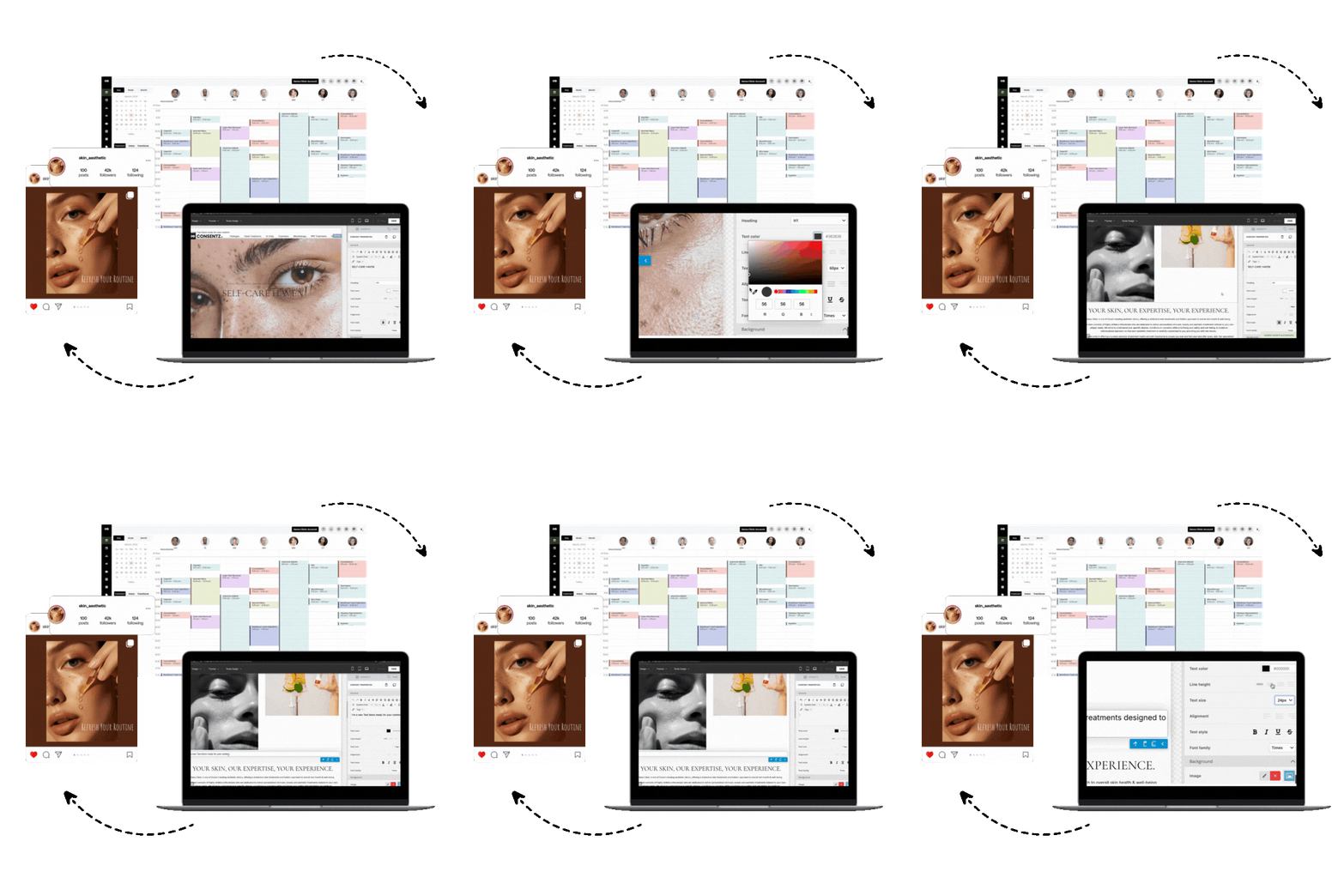
Quality equipment forms the backbone of successful aesthetic treatments. Start with versatile devices that offer multiple treatment options—like combination laser systems for hair removal, skin resurfacing, and pigmentation. Essential equipment includes examination chairs, sterilization units, cooling systems, and proper lighting. Budget $100,000-$300,000 for initial equipment purchases, though leasing options can reduce upfront costs. Don’t overlook the importance of robust practice management software. Consentz offers comprehensive solutions including automated appointment scheduling, electronic medical records (EMR), inventory management, and integrated payment processing—eliminating the need for multiple disconnected systems that plague many new clinics.
Step 5: Build Your Dream Team
Your staff directly impacts patient satisfaction and clinic reputation. Start with a skilled medical director who understands both clinical excellence and business operations. Hire experienced aesthetic nurses or physician assistants who can perform treatments confidently while maintaining exceptional bedside manner. Reception staff should excel at customer service, appointment coordination, and sales conversations. Consider starting lean with 3-4 core team members and expanding as patient volume grows. Invest heavily in ongoing training—the aesthetics industry evolves rapidly, and your team must stay current with techniques, technologies, and safety protocols.
Step 6: Implement Efficient Operational Systems
Smooth operations separate thriving clinics from struggling ones. Establish clear protocols for patient consultations, treatment procedures, follow-ups, and emergency situations. Create standardized consent forms, aftercare instructions, and treatment documentation templates. Modern clinic management software automates these workflows, ensuring nothing falls through the cracks. Set up inventory management systems to track product usage and reordering schedules. Implement quality control measures including regular equipment maintenance, staff performance reviews, and patient satisfaction surveys. Efficient operations reduce stress, minimize errors, and maximize profitability.
Step 7: Develop Your Service Menu and Pricing Strategy
Carefully curate your initial service offerings based on market demand, equipment capabilities, and team expertise. Popular starter services include Botox, dermal fillers, chemical peels, microneedling, and laser hair removal. Price your services competitively while maintaining healthy profit margins—typically 40-60% for injectables and 60-80% for energy-based treatments. Consider membership programs or package deals to encourage patient loyalty and predictable revenue streams. Using specialized billing software for aesthetic clinics ensures accurate invoicing, payment tracking, and financial reporting essential for monitoring your clinic’s health.
Step 8: Create Your Marketing and Brand Identity
Strong branding differentiates your clinic in a crowded marketplace. Develop a professional logo, cohesive color scheme, and compelling brand message that resonates with your target audience. Build a user-friendly website showcasing before/after galleries, service descriptions, and online booking capabilities. Leverage social media platforms, particularly Instagram and TikTok, where aesthetic content thrives. Implement local SEO strategies to dominate search results when potential patients look for treatments nearby. Consider influencer partnerships, open house events, and referral programs to accelerate initial growth. Effective aesthetic clinic marketing combines digital strategies with community engagement for maximum impact.
Step 9: Master Financial Management
Sound financial practices ensure long-term sustainability. Open separate business banking accounts and implement accounting software from day one. Track key performance indicators including revenue per patient, treatment conversion rates, and monthly recurring revenue from memberships. Monitor expenses closely—aim for 30-35% staff costs, 15-20% product/supply costs, and 10-15% marketing spend. Build cash reserves covering 3-6 months of operating expenses for unexpected challenges. Consider offering financing options through third-party providers to make treatments accessible while maintaining cash flow. Regular financial reviews help identify trends, optimize pricing, and make informed growth decisions.
Step 10: Focus on Patient Experience and Retention
Exceptional patient experiences drive referrals and repeat business—the lifeblood of aesthetic practices. Implement comprehensive consultation processes that educate patients while building trust. Follow up after treatments to ensure satisfaction and address concerns promptly. Create loyalty programs rewarding frequent visits and referrals. Use patient management software to track preferences, automate appointment reminders, and personalize communication. Request reviews on Google and RealSelf to build social proof. Remember that acquiring new patients costs 5-7 times more than retaining existing ones, making patient satisfaction your highest priority.
Leveraging Technology for Success
The right technology stack can dramatically accelerate your clinic’s growth while reducing operational headaches. Consentz specifically addresses the unique needs of aesthetic practices, offering features like automated consent management, before/after photo organization, treatment planning tools, and integrated marketing automation. Unlike generic medical software, Consentz understands the aesthetic industry’s emphasis on customer experience, sales tracking, and visual documentation. The platform’s comprehensive appointment scheduling capabilities reduce no-shows while maximizing provider utilization. Integration with popular payment processors, inventory systems, and marketing platforms creates a seamless ecosystem supporting every aspect of your business.
Scaling Your Aesthetic Clinic
Once your clinic establishes steady operations, focus shifts to strategic growth. Consider expanding service offerings to include advanced treatments like thread lifts, PRP therapy, or body contouring technologies. Opening satellite locations or mobile aesthetic services can capture broader markets. Develop signature treatment combinations that differentiate your practice. Partnerships with complementary businesses like gyms, wellness centers, or dermatology practices create referral networks. Implementing a comprehensive CRM system helps manage growing patient databases while maintaining personalized communication. Remember that sustainable growth requires maintaining quality standards—never sacrifice patient care for rapid expansion.
Conclusion
Starting an aesthetic clinic in 2026 requires careful planning, significant investment, and unwavering commitment to excellence. Success comes from combining clinical expertise with business acumen, supported by modern technology that streamlines operations and enhances patient experiences. By following these ten comprehensive steps and leveraging purpose-built solutions like Consentz, you’ll position your clinic for sustainable growth in this thriving industry. Remember that the aesthetics market rewards innovation, quality, and exceptional service focus on these pillars, and your clinic will flourish. Ready to transform your aesthetic clinic vision into reality? Start with the right foundation and watch your practice thrive.
FAQs
Q: How much capital do I need to start an aesthetic clinic?
A: Initial investment typically ranges from $150,000 to $500,000, depending on location, equipment choices, and clinic size. This includes equipment, lease deposits, renovations, initial inventory, marketing, and operating capital for the first few months.
Q: Can non-medical professionals own an aesthetic clinic?
A: Yes, in many jurisdictions non-medical professionals can own aesthetic clinics, but they must employ a licensed medical director to oversee clinical operations. Regulations vary significantly by location, so consult local healthcare attorneys for specific requirements.
Q: What insurance coverage do aesthetic clinics need?
A: Essential coverage includes medical malpractice insurance ($1-3 million per occurrence), general liability, property insurance, cyber liability for data protection, and business interruption insurance. Budget approximately $15,000-$30,000 annually for comprehensive coverage.
Q: How long before an aesthetic clinic becomes profitable?
A: Most aesthetic clinics reach profitability within 6-12 months if well-managed. The timeline depends on factors including initial investment, marketing effectiveness, service pricing, and operational efficiency. Clinics using integrated management software often achieve profitability faster through improved efficiency.
Q: What are the most profitable aesthetic treatments to offer initially?
A: Injectables (Botox and fillers) offer the highest profit margins (40-60%) with lower equipment costs. Laser treatments, chemical peels, and microneedling also provide strong returns. Focus on treatments with high demand and repeat visit potential for steady revenue growth.
Q: Should I choose EMR or paper records for my new clinic?
A: Digital systems are essential for modern aesthetic clinics. EMR systems outperform paper records in efficiency, security, and compliance. They enable better patient tracking, automated reminders, and seamless billing integration crucial for aesthetic practice success.