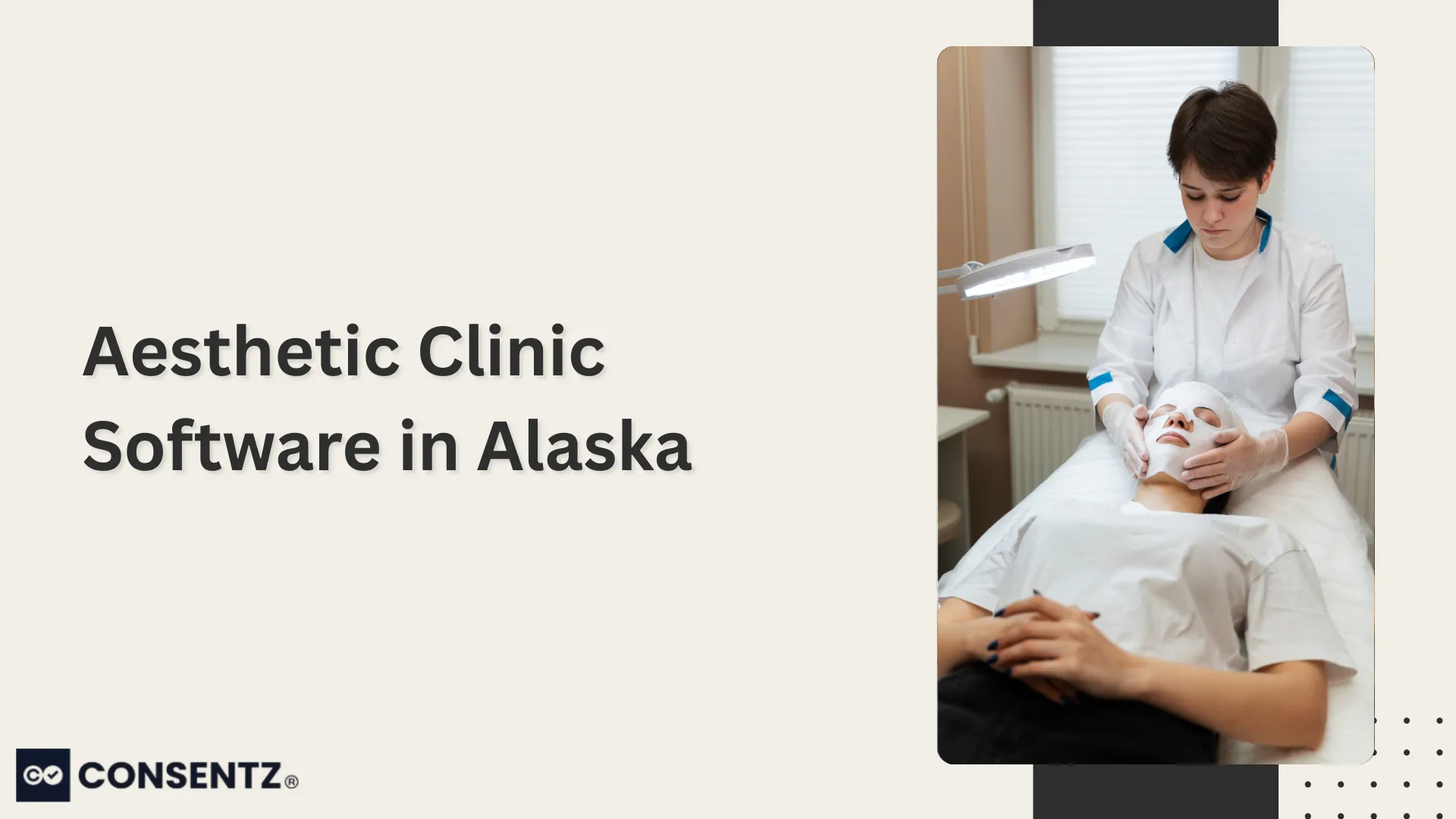
Navigating the world of aesthetic services in Kentucky requires understanding two distinct sets of rules. The primary aesthetic license requirements in Kentucky depend on your role:
- For Estheticians: You must be at least 18 years old, have a high school diploma or GED, complete 750 hours of specialized training, and pass the state board examination.
- For Nurses (RN/LPN): You must hold a valid nursing license and perform aesthetic procedures only as part of a medically prescribed plan of care under the supervision or delegation of a qualified provider like a physician or APRN.
This guide breaks down these essential requirements in more detail, so you know exactly what it takes to practice safely and legally.
Becoming a Licensed Esthetician in Kentucky
For those passionate about skincare, makeup, and non medical beauty treatments, the path to becoming a licensed esthetician is well defined. The Kentucky Board of Cosmetology sets the standards you’ll need to meet.
Education and Training Hours
Before you can even enroll in a program, there’s a basic educational prerequisite.
- Education Requirement: You must have a high school diploma or a GED equivalent. Kentucky law establishes this as the minimum foundation needed to pursue a career in cosmetology or esthetics.
- Training Hour Requirement: You are required to complete 750 hours of instruction at a state licensed school of cosmetology or esthetics. This comprehensive training covers both theory (like skin anatomy and sanitation) and extensive hands on practice with services like facials, waxing, and makeup application.
These 750 hours are designed to ensure you are fully competent and prepared for the state licensing exam and a professional career.
Age and Examination Requirements
Once your training is complete, you’re ready for the next steps toward licensure.
- Minimum Age: Applicants must be at least 18 years old to receive an esthetician license in Kentucky. You can complete your training before your 18th birthday, but you must wait until you are legally an adult to become licensed.
- Examination: You must pass the Kentucky State Board Esthetician Examination. This is a two part test consisting of a written (theory) exam and a practical (hands on) exam. You must pass both sections to qualify for your license.
The Final Step: License Verification
Passing your exams is a huge milestone, but there is one final, critical step. You must formally apply for and receive your license (or an official license verification letter) from the Board before you can legally perform services on the public for a fee. Working without a license in hand can lead to penalties for both you and your employer. If you’re opening a facility, also confirm what license you need to open a medical spa.
The Medical Aesthetics Path: Rules for Nurses in Kentucky
For medical professionals like nurses, the rules are different. Nurses are governed by the Kentucky Board of Nursing, not the Board of Cosmetology. Their ability to perform aesthetic procedures is tied directly to their medical license. They must also comply with HIPAA when handling patient records—see the HIPAA requirements for a med spa.
Advisory Opinion Statement #35: The Rulebook for Nurses
The most important document for nurses in aesthetics is the Kentucky Board of Nursing’s Advisory Opinion Statement #35 (AOS #35). While not a law, it provides official guidance on how nurses can safely and legally participate in cosmetic and dermatological procedures. It clarifies that nurses operate within a medical framework, not a cosmetology one.
Scope of Practice for Registered Nurses (RNs) in Med Spas
A Registered Nurse (RN) can perform a wide range of aesthetic treatments, but only under specific conditions. An RN’s services must be part of a medically prescribed plan of care. This means a qualified provider (like a doctor or APRN) must first examine the patient, diagnose a condition or establish a goal, and create a formal treatment plan. The RN then executes that plan.
Supervision and Injectable Rules for RNs
RNs do not practice independently in a med spa.
- Supervision: An RN must work under the prescription and supervision of a physician, physician assistant (PA), dentist, or Advanced Practice Registered Nurse (APRN). The supervising provider is responsible for the initial patient assessment and creating the plan of care. If you’re budgeting for oversight, see how much to pay a medical director for a med spa.
- Injectable Prohibition: An RN cannot independently perform injectable procedures like Botox or dermal fillers. These are prescription products, and an RN does not have prescriptive authority. They can, however, administer these injections if a qualified provider has prescribed them for a specific patient and the RN is properly trained to do so.
Scope of Practice for Licensed Practical Nurses (LPNs)
Licensed Practical Nurses (LPNs) can also work in med spas, but their role is more supportive. Like RNs, an LPN must only perform procedures that are part of a medically prescribed plan of care. They implement tasks delegated to them by a supervising provider.
Supervision and Injectable Rules for LPNs
Supervision for LPNs is even more critical and direct.
- Supervision and Delegation: An LPN must work under the delegation and supervision of a physician, PA, dentist, or APRN. An RN can also supervise an LPN who is carrying out a provider’s orders.
- Injectable Prohibition: An LPN cannot independently perform injectable procedures. They may administer injections like Botox only if the task is prescribed by a provider and delegated to them, often under the direct supervision of an RN or the prescribing provider.
Understanding the Legal Landscape in Kentucky
A few key legal concepts define the boundaries of aesthetic practice in the state. Getting these right is essential for compliance and patient safety.
Standing Orders and Treatment Protocols
Once a provider establishes an initial treatment plan, a med spa can use standing orders or protocols for follow up appointments. For example, if a physician prescribes a series of six laser hair removal treatments, a standing order allows a nurse to perform the subsequent five sessions according to the approved protocol without a new order each time. This streamlines care while ensuring every action is tied to the provider’s original plan. To keep series and recalls on track, consider clinic scheduling software for aesthetics.
Managing these protocols and ensuring they are correctly linked to each patient’s chart is vital. Modern clinic software like HIPAA-compliant medical spa software from Consentz is designed to help practices document treatment plans and track staff credentials, making compliance much simpler.
The Bright Line: Cosmetology Law vs. Nursing Practice
A common question is whether nurses need an esthetician license. The answer is found in state law.
- KRS 317A (Cosmetology Law): Kentucky’s cosmetology statutes are not applicable to nursing practice. Nurses are regulated by the Board of Nursing under a different set of laws.
- KRS 317A.020 (The Exemption): This specific statute clarifies two things. First, it limits estheticians to performing services for cosmetic purposes only, not for treating medical conditions. Second, it explicitly exempts licensed medical and nursing professionals who perform acts that might seem like cosmetology while practicing their profession. This is the legal foundation that allows med spas to operate, as nurses performing medical aesthetic treatments are protected by their nursing license.
Staying on the right side of the aesthetic license requirements in Kentucky is the foundation of a trusted and successful practice. If you’re planning to launch a clinic, see our step-by-step guide to opening a med spa.
Frequently Asked Questions
What are the main aesthetic license requirements in Kentucky for an esthetician?
To become a licensed esthetician, you must be at least 18 years old, have a high school diploma or GED, complete 750 hours of training at a licensed school, and pass both the written and practical portions of the state board exam.
Can an RN open their own Botox clinic in Kentucky?
No, not independently. An RN cannot prescribe Botox or dermal fillers. To offer these services, an RN must have a collaborative agreement with a prescribing provider (a physician, APRN, PA, or dentist) who establishes the treatment plan for each patient. If you’re an RN planning to build a compliant business with a collaborating provider, start with this guide on how to start a medspa.
Do nurses in Kentucky need an esthetician license to work in a med spa?
No. According to state law (KRS 317A.020), licensed nurses are exempt from cosmetology regulations when they perform aesthetic procedures as part of their professional nursing practice under a medical plan of care.
How many hours of training do I need to be an esthetician in Kentucky?
You must complete a board approved program consisting of at least 750 clock hours of instruction.
What is the difference between an RN’s and an LPN’s role in a Kentucky med spa?
Both RNs and LPNs must work under a medically prescribed plan of care. However, an RN has a broader scope of practice and can often supervise an LPN. An LPN’s role is more dependent, focusing on implementing tasks delegated by a provider or supervising RN.
What is Advisory Opinion Statement #35?
AOS #35 is official guidance from the Kentucky Board of Nursing. It clarifies the roles, responsibilities, and limitations for nurses performing cosmetic and dermatological procedures, emphasizing the need for medical supervision and proper training. It is a key reference for understanding the aesthetic license requirements in Kentucky for nurses.