Thinking about opening your own medical spa? It’s an exciting venture into a booming industry. But knowing how to start an aesthetic clinic in USA involves much more than just mastering cosmetic procedures. It requires a solid grasp of business planning, legal compliance, and operational strategy. This comprehensive guide walks you through every essential step, turning a complex process into a clear, actionable roadmap.
Phase 1: Planning and Legal Foundations
Before you even think about buying a laser or choosing a paint color, you need to build a solid foundation. This stage is all about strategy, legal structure, and financial planning.
Business Plan Development
Your business plan is your roadmap. It’s a written document that outlines your clinic’s mission, services, target market, marketing strategy, and financial projections. Studies show that entrepreneurs with a formal business plan are 152% more likely to actually launch their business. A strong plan forces you to think through every detail and is essential if you need to secure funding from banks or investors.
Legal Business Structure Selection
Choosing the right legal structure impacts your liability, taxes, and ability to raise capital. Common options include a Limited Liability Company (LLC) or a corporation (like an S Corp or C Corp). An LLC is popular for its flexibility and liability protection. However, many states (see the aesthetic license requirements in California as one example) require medical services to be provided through a specific entity like a Professional Corporation (PC), so you must check your local laws. It’s wise to consult with an attorney and an accountant to choose the best structure for your situation.
Corporate Practice of Medicine (CPOM) Compliance
This is a critical legal hurdle. The Corporate Practice of Medicine (CPOM) doctrine in many states prohibits non physicians from owning a medical practice or employing physicians. This rule is designed to keep clinical decisions in the hands of medical professionals. If you are not a physician, understanding how to start an aesthetic clinic in USA legally in a CPOM state often involves partnering with a physician or using a Management Services Organization (MSO) model. An MSO is a separate company that handles the business operations (marketing, billing, rent) while a physician owned Professional Corporation (PC) handles all clinical services. For a state‑by‑state overview of ownership and permitting basics, see what license do you need to open a medical spa.
Medical Director Oversight and Responsibility
Every aesthetic clinic performing medical procedures needs a medical director, who is a licensed physician. This individual is responsible for overseeing all clinical operations, developing treatment protocols, and supervising the medical staff. Depending on state law, the medical director may need to perform initial patient exams, be physically on site, or be available for consultation. Their oversight ensures patient safety and is a non negotiable part of running a compliant practice. If you’re budgeting, see guidance on how much to pay a medical director for a med spa.
State Scope of Practice Rules
Scope of practice rules define what procedures each licensed professional (physician, nurse practitioner, registered nurse, esthetician) is legally allowed to perform. These rules vary dramatically from state to state. For example, in many states, an esthetician cannot perform laser hair removal or injectables, as these are considered medical acts. As of 2021, about 24 states grant Nurse Practitioners full practice authority, allowing them to operate more independently. You must build your team and delegate tasks strictly according to your state’s specific scope of practice laws to avoid legal trouble.
Phase 2: Setting Up Your Clinic’s Infrastructure
With your legal and financial plans in place, it’s time to build your physical and digital presence. This is where your vision for the clinic starts to become a reality.
Startup Cost Estimation and Budgeting
Before seeking funding, you need a detailed budget. For a realistic range, review how much it costs to open a med spa. Estimate all your startup costs, including:
- Real estate (lease deposit, renovations)
- Licensing and legal fees
- Medical equipment and technology
- Furniture and decor
- Initial inventory (injectables, skincare products)
- Software and IT setup
- Marketing and advertising costs for your launch
- Working capital to cover operating expenses for at least the first six months
Financing Options
Most entrepreneurs use a mix of financing. Common options include:
- Self Funding: Using your own savings.
- SBA Loans: Bank loans guaranteed by the Small Business Administration. In 2022 alone, the SBA approved around 47,000 of its popular 7(a) loans.
- Conventional Bank Loans: Require a strong business plan and good credit.
- Equipment Financing: Loans or leases specifically for expensive devices like lasers.
- Investors: Angel investors or partners who provide capital in exchange for an equity stake in your business.
Location Selection and Zoning Regulations
Your location is key to attracting your target demographic. Look for areas with good visibility, ample parking, and complementary businesses. Before signing a lease, you must verify the local zoning regulations. A property must be zoned for “medical office” or a similar commercial use. Converting a retail space might require a special permit, so always check with the city’s planning department first.
Facility Design and ADA Compliance
Your clinic’s design should be a blend of clinical professionalism and spa like comfort. Think about patient flow, privacy, and infection control (e.g., sinks in every treatment room). Crucially, your facility must comply with the Americans with Disabilities Act (ADA). This means providing wheelchair accessibility, including ramps, wide doorways (at least 32 inches), and accessible restrooms. With roughly one in four US adults living with a disability, ADA compliance is both a legal requirement and good business.
Equipment and Technology Procurement
Choosing your equipment is a major investment. Research different brands of lasers, IPL machines, microneedling devices, and other technologies. Focus on devices that are FDA cleared for their intended use and come with excellent training and support. Consider a mix of purchasing and leasing to manage your upfront costs.
EHR and Practice Management Software Selection
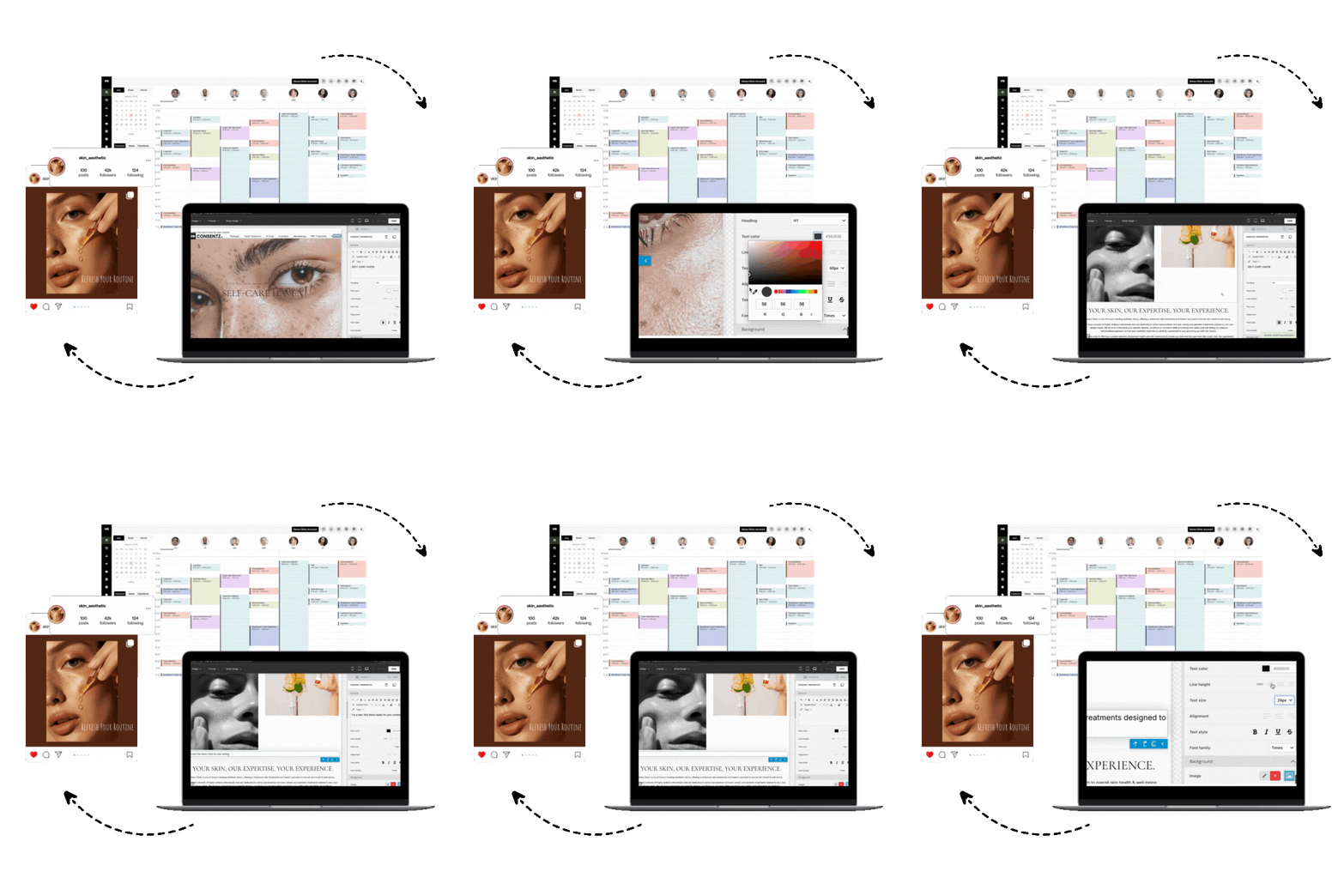
Running an aesthetic clinic efficiently without the right software is nearly impossible. You need a system for scheduling, electronic health records (EHR), billing, and inventory. A generic medical EHR won’t cut it. Look for a solution built for aesthetics that includes features for before and after photo management, customizable consent forms, and injectable tracking. An all in one platform helps you manage everything seamlessly. Systems like Consentz are designed specifically for this, combining everything from scheduling and photo management to consent forms and inventory into one platform. For a deeper breakdown of features to look for, see our medspa EMR software guide.
Phase 3: Building Your Operational Framework
Your operational framework consists of the day to day processes that ensure consistency, quality, and profitability. This is how you standardize excellence in your clinic.
Standard Operating Procedure (SOP) Creation
SOPs are detailed, written instructions for every routine task in your clinic. From how to perform a chemical peel to the end of day closing checklist, SOPs ensure every team member performs tasks consistently and correctly. This reduces errors, makes training new staff easier, and demonstrates a high level of professionalism.
Consent Forms and Documentation
Thorough documentation is your best legal protection. Every patient must sign an informed consent form before any procedure. This document should clearly explain the treatment, benefits, potential risks, and alternatives. Beyond consents, you must keep detailed treatment notes for every visit, documenting what was done, the products used (including lot numbers), and the patient’s response. Modern digital platforms can streamline this. For instance, an all in one software might store signed consents electronically, time stamp them, and link them directly to the patient record, a core feature of systems like Consentz.
Inventory Management System
Aesthetic products are expensive, and waste hurts your bottom line. An inventory management system helps you track product usage, prevent stockouts, and manage expiration dates. A good system will allow you to set “par levels” for automatic reordering and can trace product lot numbers back to specific patients, which is crucial for safety and compliance. This is where dedicated software modules shine. A platform like Consentz can track product usage down to the batch number, automate reorder alerts, and integrate inventory with billing.
Pricing Strategy, Package, and Membership Design
Your pricing strategy should reflect your market, your costs, and your brand positioning. You can bundle services into packages (e.g., a series of six laser hair removal sessions at a discount) to encourage commitment and improve cash flow. Memberships, where clients pay a recurring monthly fee for certain perks and discounts, are a fantastic way to build predictable revenue and foster long term loyalty.
Website, SEO, and Patient Acquisition Plan
Your website is your digital storefront. It must be professional, mobile friendly, and optimized for search engines (SEO) so local clients can find you. A comprehensive patient acquisition plan is essential for anyone figuring out how to start an aesthetic clinic in USA. This plan should include local SEO for aesthetic clinics, social media marketing (especially on visual platforms like Instagram), email marketing, and a referral program. Once you have traffic, converting leads is key. Paid social can accelerate early bookings. See our guide to Facebook ads for aesthetics clinics. Integrated systems often have built in CRM and marketing tools to nurture leads from first contact to loyal client, helping you maximize your marketing spend. See how a platform like Consentz builds this in.
Phase 4: Ensuring Safety and Compliance
Compliance isn’t optional, it’s the foundation of a safe and sustainable practice. Navigating these regulations is a core part of learning how to start an aesthetic clinic in USA.
Clinic Licenses and Permits
To operate legally, you will need a variety of licenses and permits. These vary by state and city but typically include a basic business license, a state healthcare facility or clinic license, and a certificate of occupancy for your physical space. Some states have unique requirements, like a Fictitious Name Permit in California if your clinic name doesn’t include the physician owner’s surname.
HIPAA Compliance
The Health Insurance Portability and Accountability Act (HIPAA) protects patient health information. You must have policies and safeguards in place to ensure the privacy and security of this data. This includes training staff, using HIPAA-compliant medical spa software, and having business associate agreements with any vendors who access patient data. The cost of a healthcare data breach is staggering, averaging $10.93 million in 2023, making HIPAA compliance a top priority.
OSHA and Facility Safety Standards
The Occupational Safety and Health Administration (OSHA) sets workplace safety rules. For a med spa, key standards include the Bloodborne Pathogens Standard (for handling needles and blood) and the Hazard Communication Standard (for handling chemicals). You must have an exposure control plan, provide personal protective equipment (PPE), and train your staff on all safety protocols.
Laser and Device Safety (ANSI and FDA Approval)
Using powerful energy devices requires strict safety protocols. You should follow ANSI Z136.3 standards for the safe use of lasers in healthcare, which includes using proper protective eyewear, controlling access to treatment rooms, and appointing a Laser Safety Officer (LSO). Critically, you must only use devices that are cleared or approved by the FDA for the specific treatments you offer.
Infection Control and Sterilization Protocol
Preventing infections is paramount. Your clinic must have rigorous protocols for hand hygiene, surface disinfection, and the sterilization of reusable instruments (often using an autoclave). Many items, like needles and syringes, must be single use and disposed of in proper sharps containers. Following CDC Standard Precautions is the baseline for ensuring patient and staff safety.
Emergency Protocol and Adverse Event Management
Even with the best care, emergencies can happen. You need a documented plan for handling everything from a patient fainting to a severe allergic reaction or a treatment complication like a vascular occlusion from dermal filler. This plan should include having an emergency kit, training staff in basic life support, and knowing when to call 911.
Data Security, Access Control, and Audit Trails
Protecting electronic patient data is mandated by HIPAA. This involves robust data security measures like encryption and firewalls, access control (ensuring staff only see the information they need for their jobs), and maintaining an audit trail that logs who accessed or changed patient records and when.
Compliance Officer and Leadership Assignment
Designate a specific person, even if it’s the owner in a small practice, as the compliance officer. This individual is responsible for overseeing all compliance efforts, staying updated on regulations, and coordinating staff training. Having a named compliance lead demonstrates a serious commitment to operating legally and ethically.
Phase 5: Building Your Team and Staying Current
Your people and your knowledge are your greatest assets. A successful clinic invests in both.
Staff Hiring, Credential Verification, and Training
Hire staff who have both the technical skills and the warm, professional demeanor suited for an aesthetic environment. Before hiring any licensed professional, you must perform credential verification. This means checking with the state licensing board to confirm their license is active and in good standing. Once hired, provide comprehensive training on your specific protocols, software, and customer service standards.
Policy Review and Internal Audit Schedule
Regulations and best practices change. Establish a schedule to regularly review your policies and conduct internal audits. An audit is a self check to ensure your team is actually following your written procedures for things like documentation, infection control, and OSHA compliance. This proactive approach helps you catch and fix issues before they become major problems.
Join Professional Associations and Monitor FDA/FTC Updates
The aesthetic industry is constantly evolving. Joining a professional organization like the American Med Spa Association (AmSpa) provides invaluable resources, legal updates, and networking opportunities. You should also actively monitor updates from the FDA (on device and drug approvals or warnings) and the FTC (on advertising and marketing rules) to stay current and compliant.
The Journey to Opening Your Clinic
Learning how to start an aesthetic clinic in USA is a marathon, not a sprint. It requires meticulous planning, a deep understanding of complex regulations, and a passion for providing excellent patient care. By addressing each of these key areas, you can build a successful, compliant, and thriving practice that stands the test of time.
Frequently Asked Questions
1. What is the first step for how to start an aesthetic clinic in USA?
The very first step is creating a detailed business plan. This document will serve as your roadmap for everything that follows, from securing financing and choosing a legal structure to defining your services and marketing strategy.
2. How much does it cost to open a medical spa?
Costs vary widely based on location, size, and the services you offer, but you can generally expect startup costs to range from $100,000 to over $500,000. Major expenses include equipment, rent and renovations, and initial operating capital.
3. Can a registered nurse open an aesthetic clinic?
This depends entirely on state law. In states with strict Corporate Practice of Medicine (CPOM) laws, only a physician can own the medical practice. A nurse would likely need to partner with a physician or use an MSO structure. In states with more relaxed rules or full practice authority for Nurse Practitioners, an advanced practice nurse may have more ownership options.
4. What are the most critical legal requirements?
The most critical legal hurdles are CPOM compliance, securing a medical director, adhering to state scope of practice rules, and obtaining all necessary clinic licenses. Getting these wrong can result in severe penalties.
5. How do I choose the right software for my new clinic?
Look for an all in one practice management platform designed specifically for aesthetics. Key features should include intuitive scheduling, robust before and after photo capabilities, integrated consent forms, detailed inventory tracking for products like injectables, and built in marketing tools.
6. What is the most important factor for success?
While many factors contribute, a deep commitment to compliance and patient safety is paramount. A clinic with a strong reputation for being safe, ethical, and professional will build patient trust, which is the ultimate foundation for long term success in this industry.