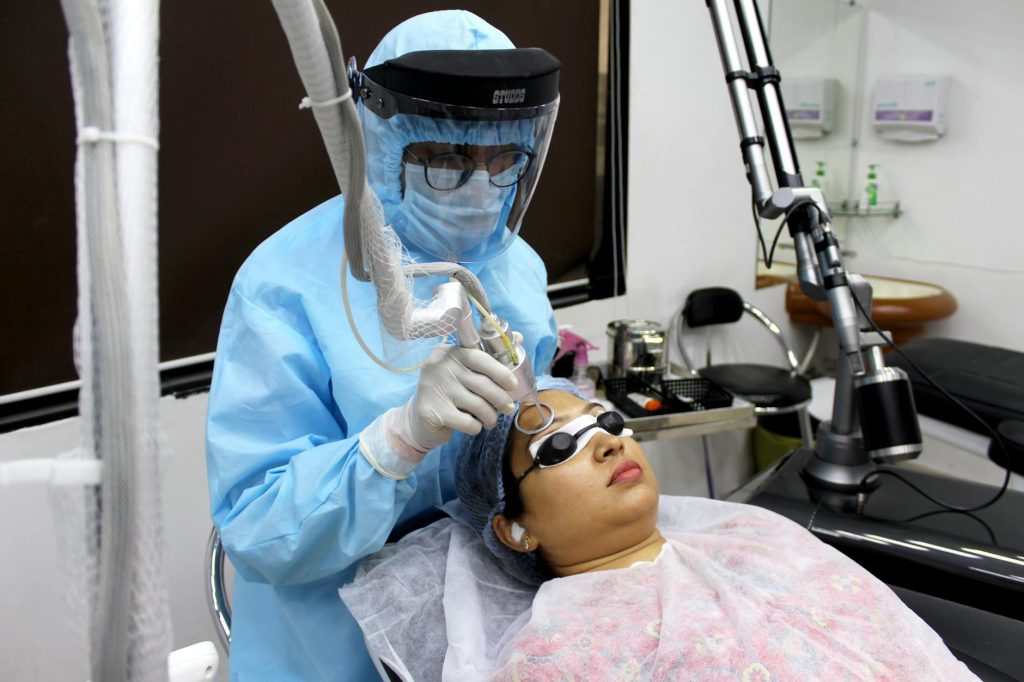
The world of cosmetic medicine is a rewarding and rapidly expanding field. If you’re a medical professional in Australia with a passion for aesthetics and patient care, you might be wondering how to transition into this exciting career. The path isn’t always straightforward, but with the right qualifications and training, you can build a successful practice. For growth tactics once you start seeing patients, check out this aesthetic clinic marketing guide.
To become an aesthetic doctor in Australia, you must first complete a medical degree, gain registration with AHPRA, and get several years of postgraduate clinical experience before pursuing specialised cosmetic training. This guide breaks down each of these steps in detail, from the essential first moves to advanced fellowships, walking you through the entire journey so you know what to expect.
The Foundational Steps: What You Absolutely Need
Before you can even think about specialized cosmetic training, you need to have the core qualifications of a medical doctor. These are the non negotiable foundations of your career.
Start with a Medical Degree
The very first step on your journey is to complete a medical degree. In Australia, this is typically a Bachelor of Medicine, Bachelor of Surgery (MBBS), which takes about six years of full time university study. This comprehensive education provides the essential scientific and clinical knowledge that all further aesthetic training is built upon.
Get Your AHPRA Registration
After graduating, you must register with the Australian Health Practitioner Regulation Agency (AHPRA). AHPRA is the national body that ensures all health professionals meet the required standards to practice safely. Think of this as your official license to practice medicine in any capacity, including cosmetics. Without a current AHPRA registration, you cannot legally call yourself a doctor or perform medical procedures in Australia.
Gain Crucial Clinical Experience
Book smarts are one thing, but real world experience is another. Before diving into aesthetics, it’s highly recommended, and often required, to get a few years of general medical experience under your belt. Working in hospitals or general practice for at least two years builds invaluable skills in patient communication, diagnosis, and managing complications. Some advanced training programs, like the one offered by the Australasian College of Cosmetic Surgery & Medicine (ACCSM), mandate a minimum of five years of postgraduate clinical experience before you can even apply.
Understanding Your Medical Authority
Once you have the basics covered, you need to understand the specific responsibilities and permissions that come with practicing aesthetic medicine.
Your Schedule 4 Prescribing Authority
This is a critical concept for any aspiring aesthetic doctor. In Australia, many of the most popular cosmetic injectables, including botulinum toxin (like Botox®) and most dermal fillers, are classified as Schedule 4 substances. This means they are prescription only medicines. As an AHPRA registered doctor, you have the authority to prescribe these substances. This is a significant responsibility, as it requires you to conduct a face to face consultation and determine a therapeutic need before any treatment can be administered, even if a qualified nurse performs the injection under your supervision.
The Role and Scope of a Cosmetic Doctor
So, what does an aesthetic doctor actually do? Your primary role is to perform non surgical or minimally invasive cosmetic treatments. This includes:
- Administering cosmetic injectables (anti wrinkle and dermal fillers)
- Performing laser and light based therapies
- Conducting chemical peels and skin needling
- Placing threads for thread lifts
- Prescribing medical grade skincare
A key part of the job is the patient consultation. You’re not just providing a service; you’re a medical professional assessing a patient’s suitability, managing their expectations, and creating a safe and effective treatment plan.
Choosing Your Training Pathway
While any registered doctor can technically call themselves a “cosmetic doctor”, the industry is moving towards standardized, high quality training to ensure patient safety. Here are the common pathways for learning how to become an aesthetic doctor in Australia. In parallel, start planning your clinic systems with this practice management and EHR guide.
Entry Level: Cosmetic Injectable Courses
For many doctors, the first taste of aesthetics comes from a short cosmetic injectable course. These programs typically run from one to four days and combine theory with hands on practice on live models. They are a great way to learn foundational techniques for common treatments like anti wrinkle injections for the forehead and crow’s feet.
A Formal Qualification: The Accredited Graduate Certificate in Cosmetic Medicine
If you’re looking for something more substantial than a weekend course, an accredited graduate certificate is an excellent option. Offered by organizations like the Cosmetic Physicians College of Australasia (CPCA), this is a formal postgraduate qualification that takes about 12 months of part time study. The curriculum is developed “by doctors, for doctors” and covers everything from cosmetic dermatology and patient assessment to injectables and regulatory compliance.
The Gold Standard: The ACCSM Fellowship Pathway
For those committed to reaching the highest level of expertise, the ACCSM Fellowship Pathway is considered a top tier training program in Australasia. This comprehensive 18 to 24 month program involves intensive hands on training, one on one mentorship, and in clinic rotations. The curriculum covers a wide range of modules, including injectables, lasers, threads, and skincare.
Inside the Training Programs: What to Expect
No matter which pathway you choose, quality training involves more than just watching demonstrations. Here’s what a robust program includes.
Meeting the Entry Criteria
Advanced programs are selective. To enter the ACCSM Fellowship, for example, you must be a registered doctor with at least five years of hands on clinical experience. Time spent in non clinical roles like administration doesn’t count, as they prioritize practitioners with extensive patient care experience.
Hands On Clinical Training and Mentorship
You can’t learn cosmetic medicine from a textbook. Reputable training programs emphasize hands on practice under the supervision of an expert mentor. The CPCA’s certificate requires a minimum of 16 hours of mentored clinical practice, while the ACCSM fellowship is built around practical workshops and in clinic rotations with real patients.
The Examination Gauntlet (MCQ, Practical, Viva)
To ensure you’ve mastered the material, you’ll need to pass a series of exams. The ACCSM pathway, for instance, culminates in a three part examination process: a multiple choice question (MCQ) paper, a practical skills exam, and a viva voce (oral exam) where you discuss clinical scenarios with examiners.
Keeping a Detailed Logbook
Throughout your training, you will be required to maintain a logbook. This is a detailed record of every procedure you perform, assist with, or observe. It serves as proof of your practical experience. Keeping these records meticulously can be challenging, which is why many modern practitioners use clinic management software. A platform like Consentz can help by automatically creating a digital logbook, tracking procedures, patient outcomes, and even the batch numbers of products used.
Building Your Core Competencies
Becoming a great aesthetic doctor requires a unique blend of medical knowledge and artistic skill. Your training will focus on developing several core competencies.
Mastering Patient Consultation and Assessment
This is perhaps the most critical skill. A great consultation involves understanding the patient’s goals, assessing their anatomy and skin health, and developing a tailored treatment plan. Formal training programs include dedicated units on patient assessment and communication to ensure you can build trust and achieve the best outcomes. If you’re preparing take‑home materials, these medical brochure templates can help you communicate clearly and consistently.
Deepening Your Cosmetic Dermatology Knowledge
The skin is your canvas. A deep understanding of cosmetic dermatology is essential for diagnosing skin conditions, recommending appropriate skincare, and safely performing treatments like lasers and chemical peels.
Specialized Skills: Laser Safety and Thread Training
Beyond injectables, many doctors expand their skills into other popular treatments. This requires specific training:
- Laser Safety Training: Operating powerful Class 4 medical lasers requires a certified safety course. These courses cover laser physics, skin interactions, and all safety protocols to prevent injuries.
- Thread Training: Thread lifts are an advanced procedure that requires specialized training in facial anatomy and sterile insertion techniques to lift and tighten skin safely.
Running a Safe and Compliant Practice
Once you’re trained, you have an ongoing responsibility to maintain the highest standards of safety and professionalism.
Navigating Regulatory Compliance (AHPRA & TGA)
You must always practice within the legal and ethical frameworks set by AHPRA and the Therapeutic Goods Administration (TGA). This includes rules around advertising, obtaining informed consent, and adhering to mandatory cooling off periods for certain procedures. Managing these details is crucial for protecting your patients and your medical license. A purpose built system can make this much easier; for example, top clinics often use a platform like Consentz to manage digital consent forms, track patient consultations, and ensure every step of the patient journey is documented according to regulatory standards. For a deeper dive into building defensible documentation, see why your clinic’s records must be bulletproof.
Upholding Infection Control Standards
Cosmetic procedures that break the skin carry a risk of infection. Your clinic must adhere to strict infection control protocols, including using sterile instruments, proper skin disinfection, and safe disposal of waste. Many training programs include a unit on infection control that aligns with national standards for skin penetration treatments. Operationally, well‑structured clinic appointment management systems help sequence rooms and appointment lengths to reduce crowding and cross‑contamination risk.
Advancing Your Career: College Membership
Joining a professional college is a great way to demonstrate your commitment to the field and continue your professional development.
The CPCA Membership and Registrar Pathway
The Cosmetic Physicians College of Australasia (CPCA) offers a clear pathway for career progression. Doctors new to the field can join as a Corresponding Member while they complete their training, often called the Registrar Training Program. After completing the Graduate Certificate and logging enough clinical hours, you can apply for Full Membership, which signifies a high level of competency. The highest level is Fellowship, which recognizes doctors with extensive experience and contributions to the field.
Frequently Asked Questions about How to Become an Aesthetic Doctor in Australia
1. How long does it take to become an aesthetic doctor in Australia?
After completing a 5 to 6 year medical degree and 2+ years of general clinical experience, specialized cosmetic training can range from a short weekend course to a 2 year fellowship. All up, you’re looking at a minimum of 8 to 10 years from starting university to becoming a highly trained aesthetic doctor.
2. Can a nurse become an aesthetic doctor?
No, a nurse cannot become an aesthetic doctor, as the title “doctor” is reserved for registered medical practitioners. However, experienced Registered Nurses can become highly skilled cosmetic injectors, often working in collaboration with a doctor who provides the consultation and prescription.
3. Is being a cosmetic doctor a recognized specialty in Australia?
No, “cosmetic physician” is not a formally protected specialist title in the same way that “dermatologist” or “plastic surgeon” are. However, professional bodies like the ACCSM and CPCA are creating structured training pathways to establish a recognized standard of excellence.
4. What is the difference between a cosmetic doctor and a plastic surgeon?
A cosmetic doctor specializes in non surgical or minimally invasive procedures, such as injectables, lasers, and thread lifts. A plastic surgeon is a specialist surgeon who has completed many additional years of formal surgical training to perform major invasive procedures like breast augmentation, rhinoplasty, and facelifts.
5. How much can an aesthetic doctor earn in Australia?
Salaries can vary widely based on experience, location, and whether you work in a clinic or own your own practice. However, given the strong demand for cosmetic treatments, it is generally considered a lucrative field.
6. Do I need my own clinic to start?
Not at all. Many doctors begin their careers by working in an established cosmetic clinic. This is a fantastic way to gain more experience and mentorship without the overhead of running a business. Once you’re confident, you can explore opening your own practice, and using smart tools can help you manage that growth from day one. Start with this open a med spa step-by-step guide. To choose software built for your region, see aesthetic clinic software in Australia.