The world of non-surgical aesthetics in the UK is about to change for the better. Under a new legal framework, practitioners will need to secure a personal licence and operate from a licensed premises to perform non-surgical cosmetic procedures. For years, the industry has operated with inconsistent rules, but these new aesthetic license requirements in UK are being introduced to raise standards and improve safety. If you’re an aesthetics professional, understanding the new rules is essential for your career. This guide breaks down everything you need to know in simple terms.
What is the New Licensing Scheme in England?
The government is rolling out a new legal framework in England to regulate who can perform non-surgical cosmetic procedures and the conditions under which they can be offered. This was enabled by the Health and Care Act 2022 and marks a major step towards standardizing the aesthetics industry.
So, what counts as a non-surgical cosmetic procedure? Think of any treatment done for aesthetic reasons that doesn’t involve surgery. This includes a huge range of popular services, such as:
- Injecting substances like Botox or dermal fillers.
- Applying chemical peels that penetrate the skin.
- Using needles for treatments like microneedling.
- Placing threads under the skin for a thread lift.
- Using energy devices like lasers, IPL, or radiofrequency.
Until now, there were almost no specific legal controls on who could perform these treatments. The new scheme changes everything by making it illegal to practice without the proper licenses.
The Two Licenses Every Practice Will Need
The new system is built on a two-part licensing model. You can’t have one without the other. Both the person performing the treatment and the place where it happens must be licensed.
1. The Practitioner Licence
This licence is personal to you as an individual provider. To get one, you will have to prove you are competent and safe by meeting strict criteria on training, qualifications, and insurance. This applies to everyone, from doctors and nurses to beauty therapists and aestheticians. The goal is to create a level playing field with minimum standards for all.
Once the scheme is active, performing treatments without a personal practitioner licence will be a criminal offense.
2. The Premises Licence
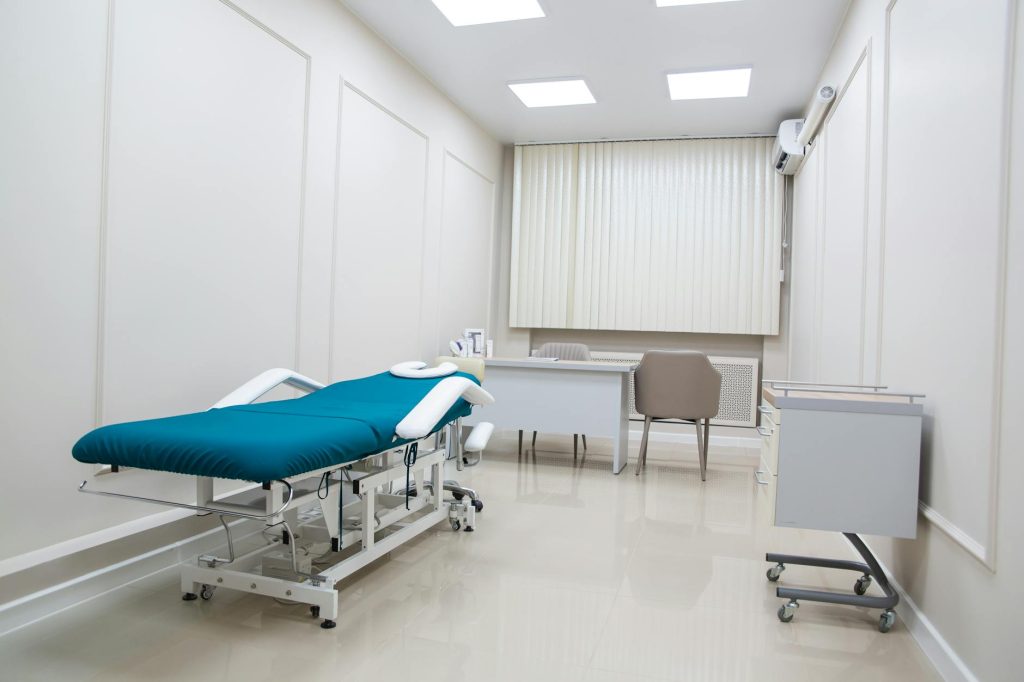
It’s not enough for the practitioner to be qualified; the clinic or salon itself must also be licensed by the local authority. This ensures the environment is safe, clean, and suitable for cosmetic procedures. To get a premises licence, a location will need to prove it has:
- Proper infection control measures (like sterilization equipment and sharps disposal).
- A safe and hygienic layout.
- Emergency protocols in place.
This requirement applies to all settings, including high end clinics, beauty salons, and even mobile practitioners. You will only be permitted to practice from a licensed premises. A practical way to evidence policies and protocols is to use a CQC compliance documentation toolkit.
Understanding the Procedure Risk Categories
A key part of the new aesthetic license requirements in UK is a traffic light system that classifies procedures based on their potential risk. This determines who can perform them and under what conditions.
Green (Low Risk) Procedures
These are treatments with the lowest risk of complications. Examples include microneedling, superficial chemical peels, mesotherapy, and laser hair removal. Any licensed practitioner, whether they are a medic or not, can perform Green category procedures once they have the basic licence.
Amber (Medium Risk) Procedures
This category includes some of the most popular treatments, like Botox injections, dermal fillers, and PRP therapy. Because they carry a higher risk, there are extra rules. A qualified medical professional (like a doctor or nurse prescriber) can perform them independently. However, a non-medical practitioner can only perform Amber procedures under the oversight of a named, regulated healthcare professional.
Red (High Risk) Procedures
These are the riskiest procedures and are handled with the strictest controls. Examples include thread lifts, fat transfer procedures (like BBL), and deep CO₂ laser resurfacing.
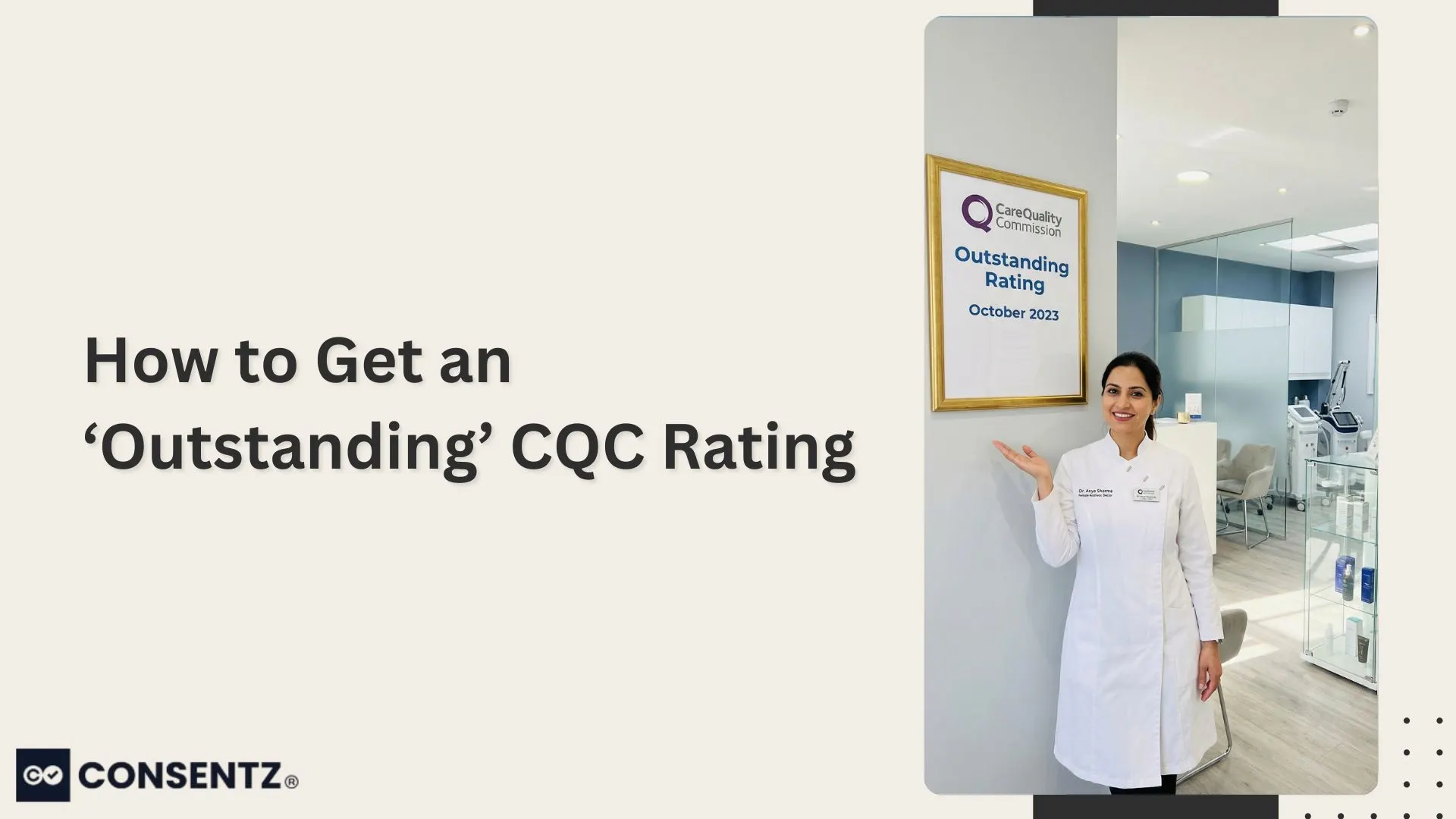
Red category procedures are restricted to regulated healthcare professionals only. Furthermore, they can only be performed in premises registered with the Care Quality Commission (CQC), the national regulator for healthcare in England. See our guide to CQC registration for aesthetic clinics for what registration involves and how to prepare. This means they are treated like medical or surgical interventions, not beauty treatments. If CQC registration is on your roadmap, learn how to get an outstanding CQC rating.
Key Standards and Rules You Must Follow
Beyond the licenses and risk ratings, the new framework introduces several mandatory standards for all practitioners.
Minimum Client Age of 18
It will be illegal to provide any licensed cosmetic procedure to someone under the age of 18. This builds on the 2021 law that already banned Botox and fillers for minors. Practitioners will be required to verify the age of their clients, and there are no exceptions for parental consent.
Training and Qualification Standards
Inconsistent training has been a major problem in aesthetics. The new scheme will introduce mandatory, standardized training and qualification requirements. While there may be “grandfathering” provisions for experienced practitioners to get qualified, all new entrants will need to complete accredited courses.
Infection Control and Hygiene Standards
Both practitioners and premises will be held to high standards of cleanliness to prevent infections, aligned to the CQC fundamental standards. This involves sterile techniques, using single use needles, and having proper protocols for cleaning and waste disposal. Recent events, like a 2025 botulism outbreak from fake Botox, highlight just how critical these standards are. Globally, there have even been cases of HIV transmitted through unhygienic cosmetic needle treatments at a spa in the US.
Indemnity Insurance Requirement
Every practitioner must have appropriate indemnity insurance. This protects both the client and the practitioner by ensuring there is financial coverage if something goes wrong. You will need to provide proof of a valid insurance policy to get and maintain your licence.
Health and Safety Law Compliance
The new aesthetic license requirements in UK exist alongside general health and safety laws. All clinics must comply with regulations like the Health and Safety at Work Act. This includes conducting risk assessments, ensuring equipment is safely maintained, and having clear fire safety protocols. Local authorities may work with the Health and Safety Executive (HSE) on enforcement.
Staying on top of these new compliance tasks can feel daunting. CQC compliance software for aesthetic clinics like Consentz helps clinics streamline their operations, from tracking staff qualifications to managing batch numbers for products, making audits and inspections much simpler.
Enforcement and Penalties for Breaking the Rules
So, who makes sure everyone is following the new rules? Local authorities, like your city or council, will be responsible for administering the scheme and enforcing it. They will handle licence applications, conduct inspections, and investigate complaints.
The Offence for Unlicensed Practice
Once the system is live, it will be a criminal offense to perform a covered procedure without a licence or from an unlicensed location. This means anyone caught could face significant fines or even prosecution in court. The aim is to create a powerful deterrent that removes untrained and unsafe providers from the market.
What Procedures Are Covered?
The scheme is designed to cover high risk and invasive procedures. This generally includes anything that involves injecting, needling, applying energy, or inserting threads for cosmetic purposes.
However, some procedures are excluded because they are already regulated elsewhere. This includes:
- Tattooing and semi permanent makeup
- Body piercing
- Acupuncture
- Cosmetic dentistry
These services are typically handled by other local authority registration schemes. The government has stated it will work to streamline the process so businesses offering a mix of services are not unnecessarily burdened by dual regulation.
The introduction of new aesthetic license requirements in UK is a landmark moment for the industry. While it means big changes for practitioners, it ultimately promises a safer, more professional environment for everyone. Preparing your clinic now by organising your documentation and protocols (using a CQC inspection checklist for aesthetic clinics) is the best way to ensure a smooth transition. Using a dedicated clinic management system can be a huge help in getting your practice ready for the new regulations.
Frequently Asked Questions
1. What are the new aesthetic license requirements in UK?
A new licensing scheme in England will require both individual practitioners and the premises they work from to be licensed by their local authority. Procedures will be classified by risk (Green, Amber, Red), with stricter rules, including medical oversight or CQC regulation, for higher risk treatments.
2. Can a beauty therapist still offer Botox or fillers?
Yes, but under specific conditions. Botox and fillers fall into the Amber (medium risk) category. This means a non medical practitioner can perform them, but only under the supervision of a named, regulated healthcare professional like a doctor or prescribing nurse.
3. Do I need a licence to perform microneedling?
Yes. Microneedling is expected to be in the Green (low risk) category. This means any practitioner who holds the new practitioner licence will be able to perform it from a licensed premises without needing extra medical supervision.
4. Are tattooing and microblading covered by these new rules?
No. Procedures like tattooing, semi permanent makeup, and body piercing are generally excluded from this specific scheme because they are already covered by separate local authority registration requirements.
5. When will these new aesthetic license requirements in UK be enforced?
The government is currently finalising the details of the scheme following a public consultation. A transition period is planned to give practitioners and local authorities time to adapt before the rules are fully enforced.
6. What happens if I practice without a licence?
Practicing a covered cosmetic procedure without the required practitioner and premises licences will be a criminal offense. This could lead to serious penalties, including large fines and prosecution.